Welcome to the official website of Renqiu Kaizheng Machinery Parts Factory

language
Understanding the Importance of Sprockets in Industrial Equipment
2026-03-21
Understanding the Importance of Sprockets in Industrial Equipment
Table of Contents
1. The Role of Sprockets in Industrial Systems
2. Types of Sprockets and Their Applications
2.1 Roller Sprockets
2.2 Silent Chain Sprockets
2.3 Specialty Sprockets
3. Key Components of Sprockets
4. How Sprockets Work with Chains
5. Advantages of Using High-Quality Sprockets
6. Maintenance Tips for Longevity
7. Common Issues and Solutions
8. Future Trends in Sprocket Technology
9. Frequently Asked Questions (FAQs)
10. Conclusion
The Role of Sprockets in Industrial Systems
Sprockets are essential components of various industrial equipment, serving as the driving force behind many mechanical systems. They work in tandem with chains to transmit power and motion, ensuring that machines operate smoothly and efficiently. The importance of sprockets cannot be overstated; they play a vital role in sectors ranging from manufacturing to food processing, where precise movement and reliability are crucial.
The operational efficiency of machines is directly linked to the quality of sprockets used. Poorly designed or worn-out sprockets can lead to increased downtime and maintenance costs, adversely affecting productivity. Thus, understanding the role of sprockets in industrial systems is fundamental for any business aiming to optimize its processes.
Types of Sprockets and Their Applications
Sprockets come in various types, each tailored for specific applications in industrial settings. Below are some of the most common types:
2.1 Roller Sprockets
Roller sprockets are the most widely used type in industrial applications. They are designed to work with roller chains and are integral to systems that require efficient power transmission. These sprockets are commonly found in conveyor systems, robotics, and material handling processes. Their robust construction allows them to endure heavy loads and high-speed operations.
2.2 Silent Chain Sprockets
Silent chain sprockets are specifically designed for use with silent chains. They are often utilized in applications that require quieter operations, such as in printing machines and textile manufacturing. The design of silent chain sprockets minimizes vibration and noise, enhancing the working environment.
2.3 Specialty Sprockets
Specialty sprockets are custom-made for unique applications. They can include features like varying tooth configurations or materials designed for specific environments. Industries such as pharmaceuticals and food processing often require specialty sprockets to meet stringent hygiene and performance standards.
Key Components of Sprockets
Understanding the key components of sprockets is essential for selecting the right type for your application. Key components include:
- **Teeth**: The number and design of teeth significantly impact the sprocket's performance. More teeth can increase torque, while fewer teeth may allow for higher speeds.
- **Bore**: The bore size is crucial for fitting the sprocket onto the shaft. A precise bore ensures a tight fit, reducing the likelihood of slippage or misalignment.
- **Material**: Sprockets can be made from various materials, including steel, plastic, and aluminum. The choice of material affects durability, weight, and cost.
How Sprockets Work with Chains
The interaction between sprockets and chains is fundamental to how they operate as a unit. When the chain engages the sprocket's teeth, the motion is transmitted through the chain, enabling various mechanical actions. The correct alignment and tension are crucial to avoid slippage or premature wear.
For optimal performance, it’s important to ensure the following:
- **Alignment**: Proper alignment of the sprocket and chain is essential to prevent excessive wear and tear.
- **Tension**: The correct tension in the chain helps maintain efficient power transmission. Too much tension can lead to increased wear, while too little can cause slippage.
Advantages of Using High-Quality Sprockets
Investing in high-quality sprockets offers several advantages that can significantly enhance operational efficiency:
- **Durability**: Quality sprockets are designed to withstand harsh operating conditions, extending their service life.
- **Reduced Maintenance**: High-quality components require less frequent maintenance, reducing downtime and associated costs.
- **Improved Performance**: A well-designed sprocket can enhance the overall performance of the machinery, leading to increased productivity.
Maintenance Tips for Longevity
Maintaining sprockets is crucial for ensuring their longevity and optimal performance. Here are some effective maintenance tips:
- **Regular Inspections**: Conduct routine inspections to identify wear and tear early. Look for signs of damage, such as chipped teeth or unusual wear patterns.
- **Lubrication**: Proper lubrication reduces friction and wear on sprockets and chains. Use the appropriate lubricant for your specific application.
- **Alignment Checks**: Regularly check the alignment of sprockets and chains to prevent unnecessary wear and ensure efficient operation. Misalignment can lead to increased strain on both components.
Common Issues and Solutions
Despite meticulous maintenance, some common issues can arise with sprockets. Here are a few problems and their solutions:
- **Wear and Tear**: Over time, sprocket teeth can wear down. Regular inspections and timely replacements can prevent more significant issues.
- **Misalignment**: Misaligned sprockets can cause uneven wear. Ensure proper installation and alignment during setup.
- **Chain Slippage**: If the chain frequently slips off the sprocket, check for wear on both the chain and sprocket and ensure proper tension.
Future Trends in Sprocket Technology
As technology advances, the design and functionality of sprockets are evolving. Here are some trends shaping the future of sprocket technology:
- **Smart Sprockets**: The integration of IoT technology into sprockets can offer real-time monitoring of wear and performance, enabling predictive maintenance.
- **Advanced Materials**: The development of new materials, such as composites, can lead to lighter, stronger, and more durable sprockets.
- **Customization and 3D Printing**: The rise of 3D printing allows for rapid prototyping and customization of sprockets, catering to specific industrial needs.
Frequently Asked Questions (FAQs)
1. What is the primary function of sprockets in industrial equipment?
Sprockets primarily function to transmit power and motion between chains and machinery, facilitating efficient operations in various industrial applications.
2. How do I know when to replace my sprockets?
Signs such as chipped teeth, unusual wear patterns, or frequent chain slippage indicate that it may be time to replace your sprockets.
3. Can I use different types of chains with my sprockets?
It's essential to match the sprocket type with the appropriate chain type for optimal performance and to avoid damage to either component.
4. What are the benefits of using specialty sprockets?
Specialty sprockets offer tailored solutions for unique applications, ensuring compliance with specific industry standards and enhancing operational efficiency.
5. How can I extend the lifespan of my sprockets?
Regular inspections, proper lubrication, and ensuring correct alignment are vital practices for extending the lifespan of sprockets.
Conclusion
Understanding the importance of sprockets in industrial equipment is essential for optimizing the performance and reliability of machinery. From their various types and applications to maintenance and future trends, a comprehensive grasp of sprockets can significantly impact efficiency and productivity. By investing in high-quality sprockets and adhering to best practices in maintenance, industries can enhance their operational capabilities and ensure long-term success.
Recent News
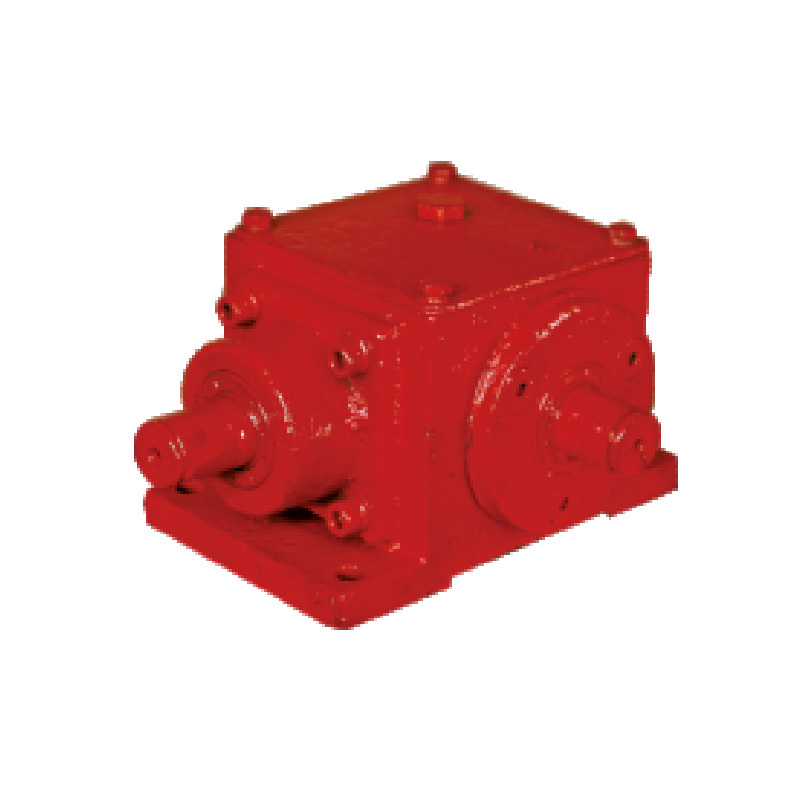
Understanding Gearboxes: The Heart of Industrial Motion
---
Gearboxes are critical components in various industrial applications, designed to transfer power and adjust the speed and torque of machinery. At their core, gearboxes consist of a series of gears that engage with each other to modify the rotational speed and force transmitted from one component to another. Whether in manufacturing, construction, or transportation, the choice of gearbox can si