Welcome to the official website of Renqiu Kaizheng Machinery Parts Factory

language
The Essential Role of Gears in Automotive Transmission Systems
2026-03-22
Gears are integral components in automotive transmission systems, playing a pivotal role in the functioning of vehicles. At their core, gears are designed to transmit torque and rotational motion from one part of a machine to another. This process is essential for converting the engine's power into motion, thereby propelling the vehicle forward. Understanding how gears work can enhance one’s appreciation of automotive engineering and performance.
In a typical automotive transmission system, gears are used to change the speed and torque of the vehicle. This is achieved through a mechanism known as gear ratios, which define the relationship between the input speed and the output speed. A lower gear ratio provides more torque, making it easier to start moving from a standstill or to climb steep hills. Conversely, a higher gear ratio allows for higher speeds, improving fuel efficiency during cruising. The seamless transition between different gears enables smooth acceleration and deceleration, contributing to a comfortable driving experience.
There are various types of gears utilized in automotive applications, including spur gears, helical gears, bevel gears, and worm gears. Each type has its unique characteristics suited for specific functions within the transmission system. For instance, helical gears, known for their angled teeth, provide quieter operation and are often used in manual and automatic transmissions. Bevel gears, on the other hand, are designed to change the angle of rotation, commonly found in differentials that allow wheels to rotate at varying speeds when turning.
The material and design of gears are also crucial in determining their performance and durability. Gears are typically made from high-strength steel or composite materials to withstand the immense forces experienced during operation. Proper lubrication is essential for reducing friction and wear, ensuring that gears operate efficiently over extended periods. Regular maintenance checks are advised to identify any signs of wear or damage, which could lead to transmission failure if not addressed promptly.
In summary, gears are fundamental components of automotive transmission systems that significantly influence vehicle performance. Their ability to manage speed and torque through various gear ratios allows for efficient power delivery from the engine to the wheels. Understanding the function and importance of gears can help vehicle owners appreciate the intricacies of their cars and the engineering that goes into their design. Whether you’re an automotive enthusiast or simply interested in how vehicles work, the study of gears offers valuable insights into the mechanics of motion.
In a typical automotive transmission system, gears are used to change the speed and torque of the vehicle. This is achieved through a mechanism known as gear ratios, which define the relationship between the input speed and the output speed. A lower gear ratio provides more torque, making it easier to start moving from a standstill or to climb steep hills. Conversely, a higher gear ratio allows for higher speeds, improving fuel efficiency during cruising. The seamless transition between different gears enables smooth acceleration and deceleration, contributing to a comfortable driving experience.
There are various types of gears utilized in automotive applications, including spur gears, helical gears, bevel gears, and worm gears. Each type has its unique characteristics suited for specific functions within the transmission system. For instance, helical gears, known for their angled teeth, provide quieter operation and are often used in manual and automatic transmissions. Bevel gears, on the other hand, are designed to change the angle of rotation, commonly found in differentials that allow wheels to rotate at varying speeds when turning.
The material and design of gears are also crucial in determining their performance and durability. Gears are typically made from high-strength steel or composite materials to withstand the immense forces experienced during operation. Proper lubrication is essential for reducing friction and wear, ensuring that gears operate efficiently over extended periods. Regular maintenance checks are advised to identify any signs of wear or damage, which could lead to transmission failure if not addressed promptly.
In summary, gears are fundamental components of automotive transmission systems that significantly influence vehicle performance. Their ability to manage speed and torque through various gear ratios allows for efficient power delivery from the engine to the wheels. Understanding the function and importance of gears can help vehicle owners appreciate the intricacies of their cars and the engineering that goes into their design. Whether you’re an automotive enthusiast or simply interested in how vehicles work, the study of gears offers valuable insights into the mechanics of motion.
Recent News
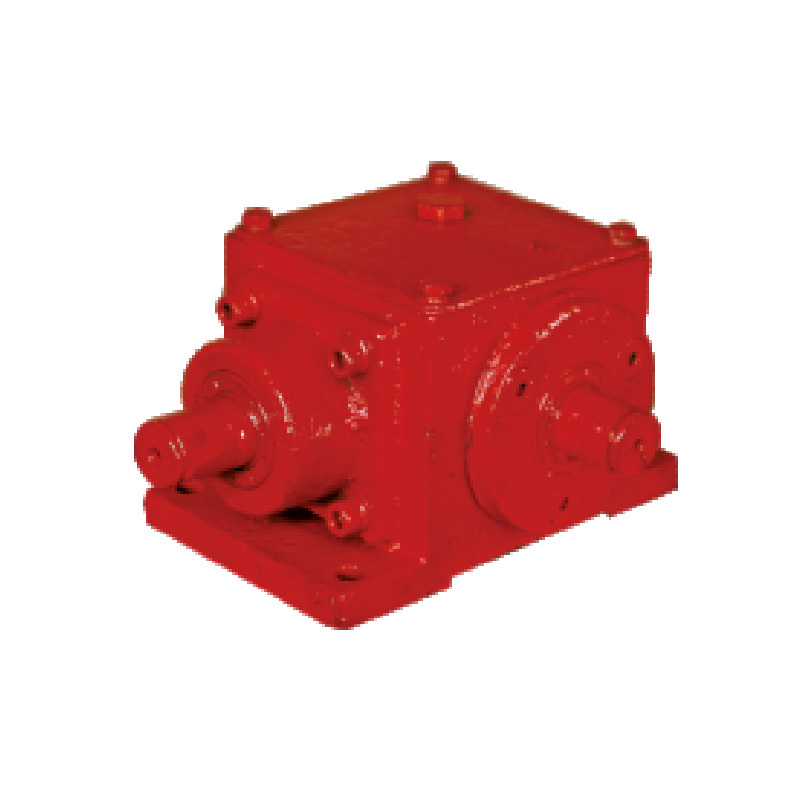
Understanding Gearboxes: The Heart of Industrial Motion
---
Gearboxes are critical components in various industrial applications, designed to transfer power and adjust the speed and torque of machinery. At their core, gearboxes consist of a series of gears that engage with each other to modify the rotational speed and force transmitted from one component to another. Whether in manufacturing, construction, or transportation, the choice of gearbox can si