Welcome to the official website of Renqiu Kaizheng Machinery Parts Factory

language
Understanding Gearboxes: The Backbone of Industrial Equipment
2026-03-20
In the realm of industrial equipment, gearboxes are essential components that facilitate the transfer of power and motion between different parts of machinery. These devices are designed to alter the speed, torque, and direction of mechanical energy, making them vital in various applications ranging from manufacturing to transportation.
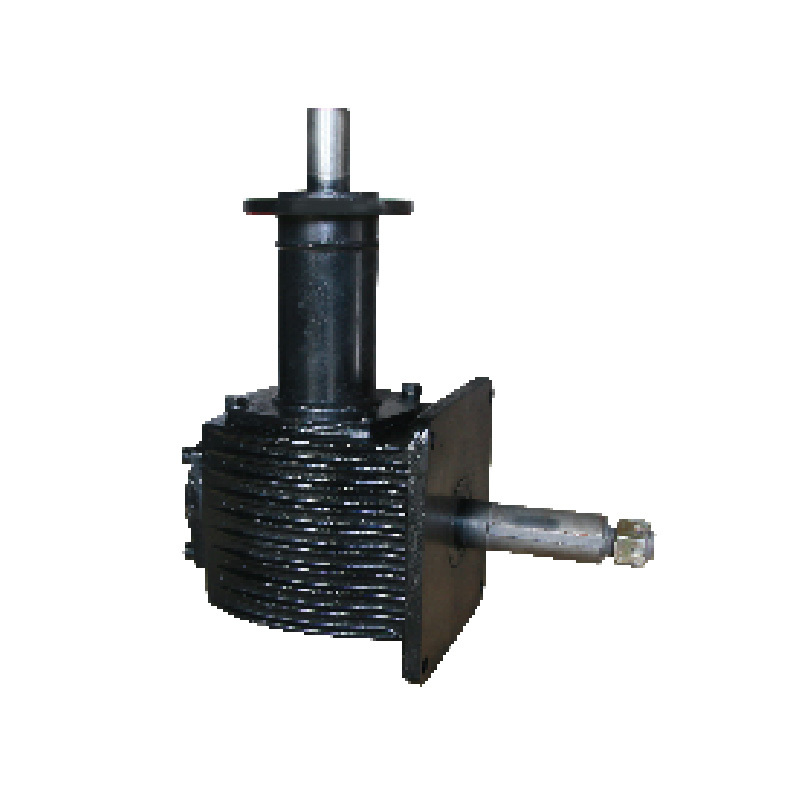
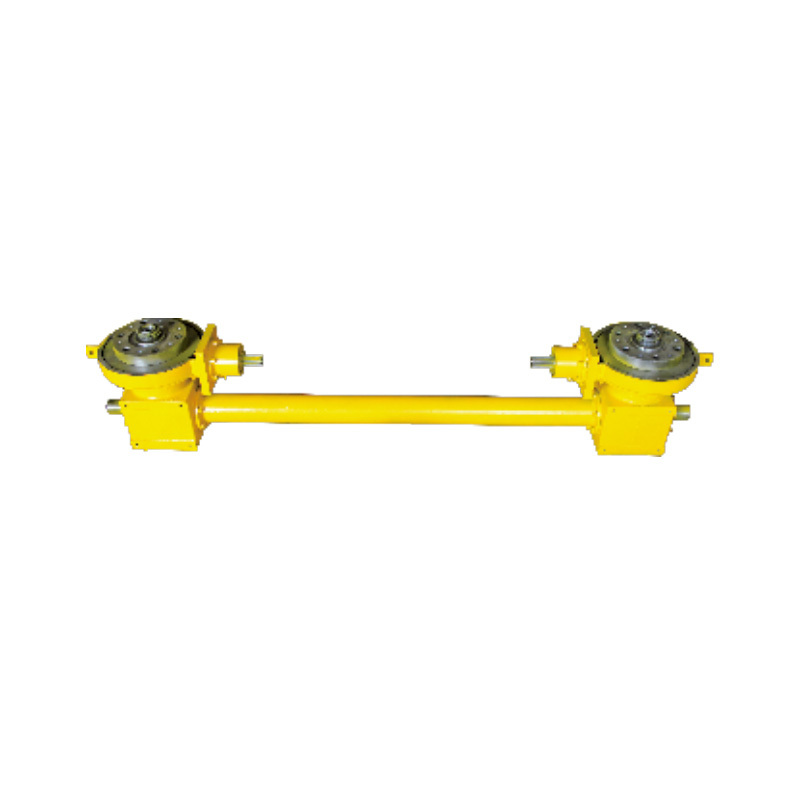
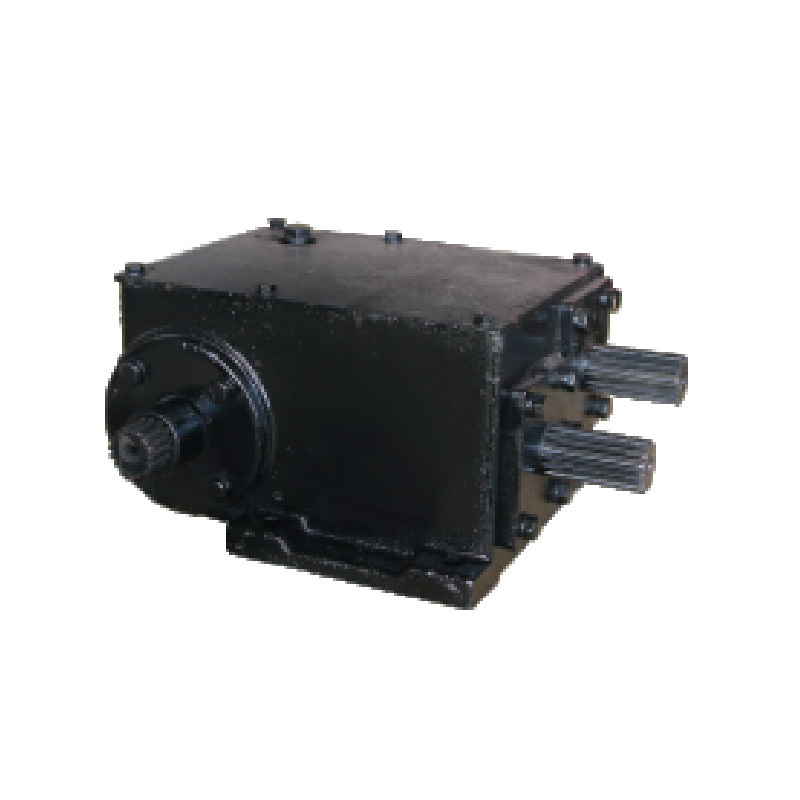
A gearbox typically consists of a series of gears, which are mechanical components with teeth that mesh together. The primary function of these gears is to transmit rotational motion from one shaft to another. This process enables an engine or motor to power large machines efficiently. Depending on the application, gearboxes can dramatically enhance performance by adjusting the output speed and torque to suit specific operational needs.
There are various types of gearboxes, including manual, automatic, and specialized designs such as planetary and worm gearboxes. Each type serves distinct functions and is chosen based on the specific requirements of the operation. For instance, a planetary gearbox is known for its compact size and high torque output, making it ideal for applications with limited space where efficiency is a priority.
When considering a gearbox, it's essential to understand the gear ratio, which is the relationship between the number of teeth on two meshing gears. This ratio determines the output speed relative to the input speed. Higher gear ratios increase torque while decreasing speed, and vice versa. Selecting the appropriate gear ratio is critical for optimizing performance and efficiency in any industrial setting.
Another important aspect to consider is the material and construction of the gearbox. High-quality materials and robust engineering ensure durability and longevity, especially in demanding environments where wear and tear are common. Regular maintenance and lubrication are necessary to prolong the lifespan of gearboxes and to ensure their smooth operation.
In conclusion, gearboxes are fundamental elements in the industrial equipment landscape, playing a pivotal role in the efficiency and functionality of machinery. Understanding their types, functions, and maintenance requirements can significantly enhance operational performance. Whether you are involved in manufacturing, transportation, or any other industrial sector, appreciating the intricacies of gearboxes will empower you to make informed decisions regarding equipment use and maintenance. Recognizing the significance of these components can lead to improved productivity and reduced downtime in your operations.
A gearbox typically consists of a series of gears, which are mechanical components with teeth that mesh together. The primary function of these gears is to transmit rotational motion from one shaft to another. This process enables an engine or motor to power large machines efficiently. Depending on the application, gearboxes can dramatically enhance performance by adjusting the output speed and torque to suit specific operational needs.
There are various types of gearboxes, including manual, automatic, and specialized designs such as planetary and worm gearboxes. Each type serves distinct functions and is chosen based on the specific requirements of the operation. For instance, a planetary gearbox is known for its compact size and high torque output, making it ideal for applications with limited space where efficiency is a priority.
When considering a gearbox, it's essential to understand the gear ratio, which is the relationship between the number of teeth on two meshing gears. This ratio determines the output speed relative to the input speed. Higher gear ratios increase torque while decreasing speed, and vice versa. Selecting the appropriate gear ratio is critical for optimizing performance and efficiency in any industrial setting.
Another important aspect to consider is the material and construction of the gearbox. High-quality materials and robust engineering ensure durability and longevity, especially in demanding environments where wear and tear are common. Regular maintenance and lubrication are necessary to prolong the lifespan of gearboxes and to ensure their smooth operation.
In conclusion, gearboxes are fundamental elements in the industrial equipment landscape, playing a pivotal role in the efficiency and functionality of machinery. Understanding their types, functions, and maintenance requirements can significantly enhance operational performance. Whether you are involved in manufacturing, transportation, or any other industrial sector, appreciating the intricacies of gearboxes will empower you to make informed decisions regarding equipment use and maintenance. Recognizing the significance of these components can lead to improved productivity and reduced downtime in your operations.
Recent News
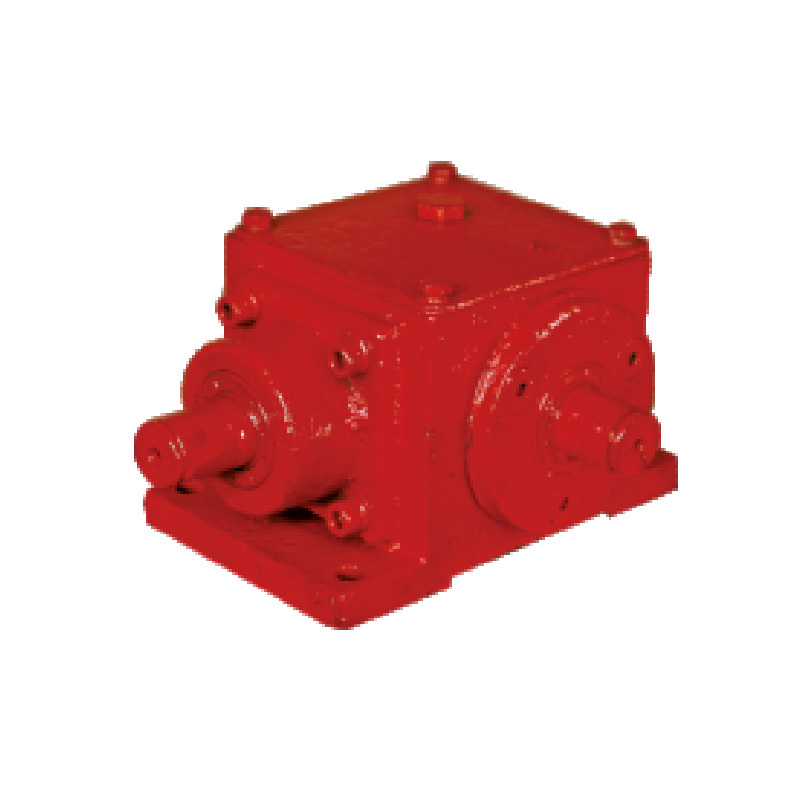
Understanding Gearboxes: The Heart of Industrial Motion
---
Gearboxes are critical components in various industrial applications, designed to transfer power and adjust the speed and torque of machinery. At their core, gearboxes consist of a series of gears that engage with each other to modify the rotational speed and force transmitted from one component to another. Whether in manufacturing, construction, or transportation, the choice of gearbox can si