Welcome to the official website of Renqiu Kaizheng Machinery Parts Factory

language
How Sprockets Enhance Efficiency in Conveyor Systems
2026-03-31
How Sprockets Enhance Efficiency in Conveyor Systems
Table of Contents
1. Understanding Conveyor Systems
2. The Role of Sprockets in Conveyor Mechanisms
2.1. What Are Sprockets?
2.2. Types of Sprockets Used in Conveyor Systems
3. How Sprockets Improve Operational Efficiency
3.1. Reduction of Friction
3.2. Enhanced Power Transmission
3.3. Load Distribution and Balance
4. Selecting the Right Sprockets for Your Conveyor System
4.1. Material Considerations
4.2. Size and Pitch
4.3. Compatibility with Chains
5. Maintenance Tips for Sprockets in Conveyor Systems
5.1. Regular Inspections
5.2. Lubrication Practices
5.3. Signs of Wear and Tear
6. Case Studies: Successful Applications of Sprockets in Industry
7. Frequently Asked Questions (FAQs)
8. Conclusion
1. Understanding Conveyor Systems
In the realm of industrial operations, conveyor systems serve as critical lifelines, streamlining the movement of materials along production lines. These systems are designed to transport goods efficiently, reducing manual handling and increasing productivity. By understanding the intricacies of conveyor systems, we can better appreciate the pivotal role that **sprockets** play in enhancing their efficiency.
2. The Role of Sprockets in Conveyor Mechanisms
Sprockets are essential components in conveyor systems, working in conjunction with chains to facilitate movement. Their design and functionality significantly influence how effectively a conveyor operates.
2.1. What Are Sprockets?
Sprockets are toothed wheels that engage with a chain to transmit power and motion. They come in various sizes and shapes, adapted to suit different applications. In essence, they function as the driving force behind conveyor systems, ensuring smooth and efficient operation.
2.2. Types of Sprockets Used in Conveyor Systems
There are several types of sprockets commonly used in conveyor applications, including:
- **Single-Strand Sprockets**: Ideal for simple, low-load applications.
- **Multi-Strand Sprockets**: Used for heavy-duty operations where greater load capacity is required.
- **Idler Sprockets**: Assist in guiding the chain and maintaining proper tension.
Each type of sprocket has its specific advantages, contributing to the overall efficiency of the conveyor system.
3. How Sprockets Improve Operational Efficiency
The integration of sprockets into conveyor systems offers several benefits that significantly enhance operational efficiency.
3.1. Reduction of Friction
One of the primary advantages of incorporating sprockets is their ability to reduce friction between the chain and the conveyor components. By minimizing resistance, sprockets allow for smoother operation and less wear on both the chain and the conveyor, leading to increased longevity and reduced maintenance costs.
3.2. Enhanced Power Transmission
Sprockets are designed to optimize power transfer from the drive motor to the conveyor chain. By ensuring a secure and efficient connection, they facilitate the effective movement of materials, reducing energy consumption and enhancing overall system performance.
3.3. Load Distribution and Balance
Another significant benefit of sprockets is their ability to distribute loads evenly across the conveyor system. This balance helps prevent overloading specific areas, reducing the risk of mechanical failure and ensuring consistent performance over time.
4. Selecting the Right Sprockets for Your Conveyor System
Choosing the appropriate sprockets for your conveyor system is crucial for maximizing efficiency and performance. Several factors should be considered during the selection process.
4.1. Material Considerations
The material of the sprocket plays a vital role in its durability and performance. Common materials include steel, stainless steel, and plastic. Each material has its advantages, such as corrosion resistance or cost-effectiveness, making it essential to choose one that aligns with your operational requirements.
4.2. Size and Pitch
The size and pitch of the sprocket must correspond with the chain being used. An improper fit can lead to increased wear, inefficiency, and potential breakdowns. Ensuring compatibility is key to maintaining optimal performance.
4.3. Compatibility with Chains
Each sprocket type is designed to work with specific chain types. Understanding the compatibility between sprockets and chains will ensure a seamless integration, enhancing the overall performance of your conveyor system.
5. Maintenance Tips for Sprockets in Conveyor Systems
Regular maintenance of sprockets is essential for ensuring the longevity and efficiency of your conveyor system. Here are some best practices to follow.
5.1. Regular Inspections
Conducting routine inspections of sprockets and chains can help identify early signs of wear and tear. This proactive approach allows for timely replacements and minimizes the risk of sudden failures.
5.2. Lubrication Practices
Proper lubrication is vital for reducing friction and preventing corrosion. Establishing a regular lubrication schedule will enhance the performance and durability of your sprockets.
5.3. Signs of Wear and Tear
Be vigilant for signs of wear, such as unusual noises, misalignment, or reduced performance. Addressing these issues promptly can prevent larger problems and costly downtime.
6. Case Studies: Successful Applications of Sprockets in Industry
Real-world examples highlight the effectiveness of sprockets in enhancing conveyor efficiency. For instance, in automotive manufacturing, the use of specialized sprockets has streamlined assembly processes, reducing cycle times and increasing output. In the food industry, corrosion-resistant sprockets have maintained hygiene standards while optimizing material flow.
7. Frequently Asked Questions (FAQs)
**Q1: What is the primary function of sprockets in conveyor systems?**
A1: Sprockets primarily facilitate the transfer of power and motion between the drive motor and the conveyor chain.
**Q2: How do I know if my sprockets need replacing?**
A2: Look for signs of excessive wear, misalignment, or unusual noises, which can indicate that replacement is necessary.
**Q3: Can I use different types of chains with the same sprocket?**
A3: No, it's crucial to ensure compatibility between the sprocket and chain types to maintain efficiency and reduce wear.
**Q4: How often should I lubricate my sprockets?**
A4: Establishing a regular lubrication schedule based on manufacturer recommendations and operational conditions is essential.
**Q5: What materials are best for sprockets in corrosive environments?**
A5: Stainless steel or specially coated sprockets are ideal for environments where corrosion is a concern.
8. Conclusion
Sprockets play a pivotal role in enhancing the efficiency of conveyor systems. From reducing friction to ensuring effective power transmission, the right sprocket can make a significant difference in operational performance. By understanding their functions, selecting the appropriate types, and adhering to maintenance best practices, industries can optimize their conveyor systems, leading to increased productivity and reduced operational costs. Understanding and leveraging the unique benefits of sprockets ultimately contributes to smoother, more efficient industrial operations.
Recent News
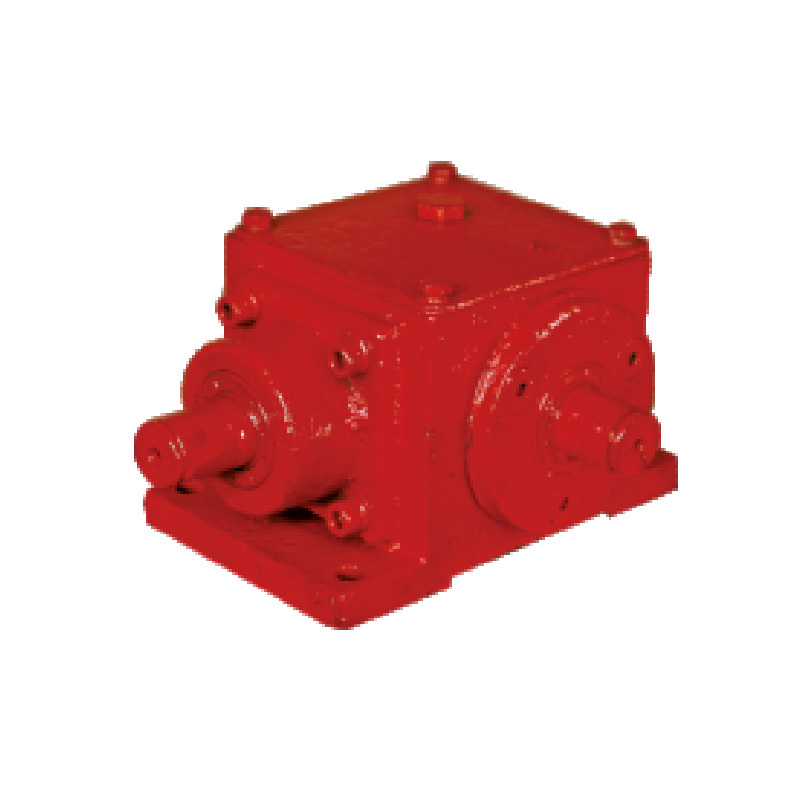
Understanding Gearboxes: The Heart of Industrial Motion
---
Gearboxes are critical components in various industrial applications, designed to transfer power and adjust the speed and torque of machinery. At their core, gearboxes consist of a series of gears that engage with each other to modify the rotational speed and force transmitted from one component to another. Whether in manufacturing, construction, or transportation, the choice of gearbox can si