Welcome to the official website of Renqiu Kaizheng Machinery Parts Factory

language
Understanding Gearbox Mechanics: A Comprehensive Guide for Professionals
2026-03-30
Gearboxes are integral components in a wide array of industrial equipment, playing a crucial role in transmitting power and controlling the speed and torque of machinery. Understanding the mechanics of gearboxes is essential for professionals involved in the selection, maintenance, and optimization of industrial systems.
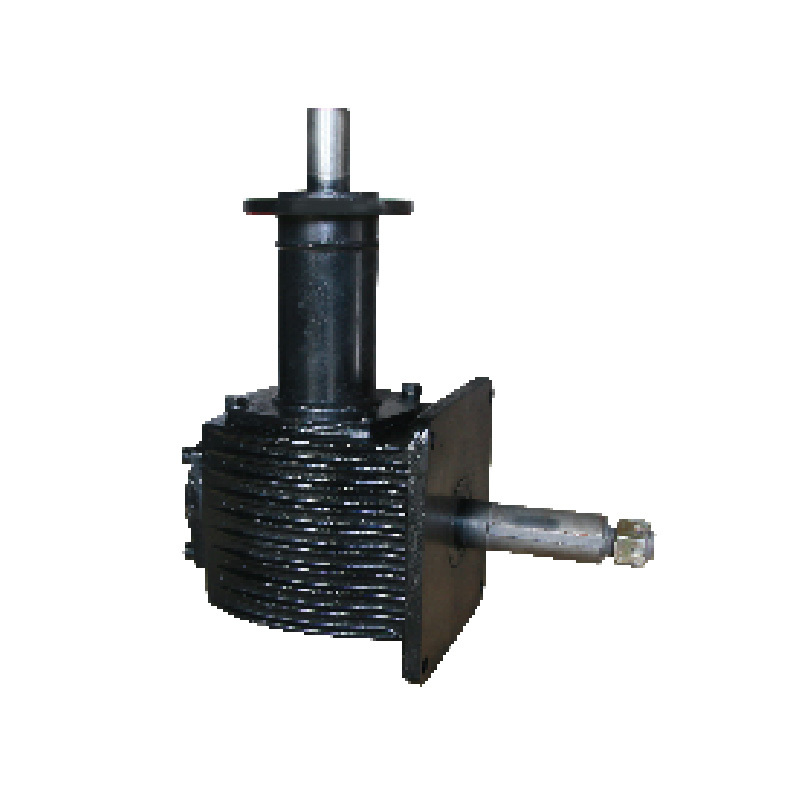
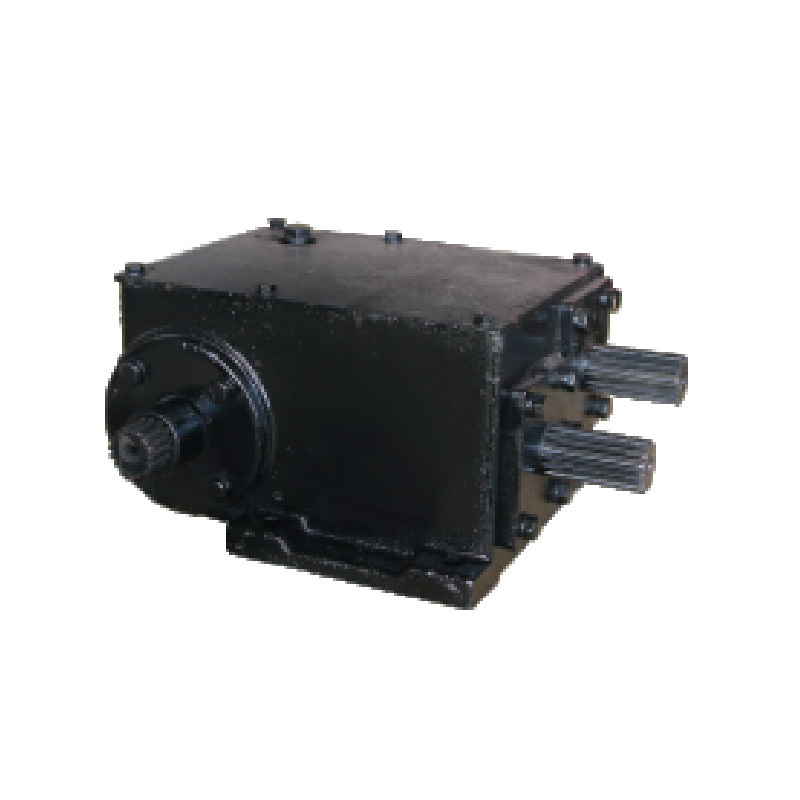
At its core, a gearbox is a mechanical device that consists of gears, shafts, and housing, which work together to alter the speed and torque of an input power source. By effectively managing the rotational speed and direction, gearboxes enable machinery to perform optimally across various applications, from manufacturing to transportation.
One of the primary functions of a gearbox is to adjust the output speed relative to the input speed. For example, in scenarios requiring high torque but low speed—such as in heavy equipment—gearboxes can significantly increase the force exerted by the equipment while maintaining control over its speed. This is achieved through different gear ratios, which are mathematical expressions of the relationship between the input and output speeds.
In addition to speed control, gearboxes also enhance the operational efficiency of machines. By allowing for precise adjustments in torque, they help minimize energy loss and improve performance. This efficiency is particularly vital in industries where power consumption directly impacts operational costs.
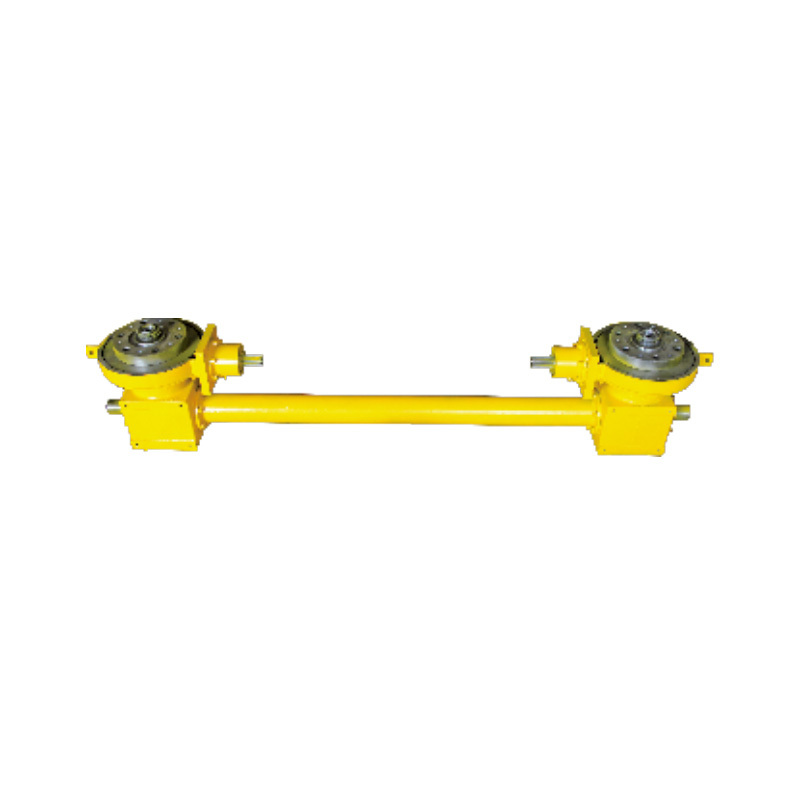
Furthermore, gearboxes are designed to withstand harsh environments and heavy loads, making them durable and reliable components in industrial setups. Various types of gearboxes—such as bevel, worm, and planetary gearboxes—offer distinct advantages based on specific operational needs. For instance, planetary gearboxes are favored for their compact design and high power density, making them ideal for applications with space constraints.
Maintenance is another critical aspect of gearbox management. Regular inspections and timely lubrication can extend the life of a gearbox, preventing costly downtime and repairs. Utilizing advanced monitoring technologies can help detect potential issues before they escalate, ensuring the smooth operation of the machinery.
In summary, understanding the functionality and significance of gearboxes is vital for professionals in the industrial equipment sector. By leveraging the advantages of different gearbox types and prioritizing maintenance, organizations can enhance their operational efficiency, reduce costs, and improve overall productivity. With the right knowledge, you can effectively contribute to the optimization of industrial machinery, ensuring sustainable and efficient operations.
At its core, a gearbox is a mechanical device that consists of gears, shafts, and housing, which work together to alter the speed and torque of an input power source. By effectively managing the rotational speed and direction, gearboxes enable machinery to perform optimally across various applications, from manufacturing to transportation.
One of the primary functions of a gearbox is to adjust the output speed relative to the input speed. For example, in scenarios requiring high torque but low speed—such as in heavy equipment—gearboxes can significantly increase the force exerted by the equipment while maintaining control over its speed. This is achieved through different gear ratios, which are mathematical expressions of the relationship between the input and output speeds.
In addition to speed control, gearboxes also enhance the operational efficiency of machines. By allowing for precise adjustments in torque, they help minimize energy loss and improve performance. This efficiency is particularly vital in industries where power consumption directly impacts operational costs.
Furthermore, gearboxes are designed to withstand harsh environments and heavy loads, making them durable and reliable components in industrial setups. Various types of gearboxes—such as bevel, worm, and planetary gearboxes—offer distinct advantages based on specific operational needs. For instance, planetary gearboxes are favored for their compact design and high power density, making them ideal for applications with space constraints.
Maintenance is another critical aspect of gearbox management. Regular inspections and timely lubrication can extend the life of a gearbox, preventing costly downtime and repairs. Utilizing advanced monitoring technologies can help detect potential issues before they escalate, ensuring the smooth operation of the machinery.
In summary, understanding the functionality and significance of gearboxes is vital for professionals in the industrial equipment sector. By leveraging the advantages of different gearbox types and prioritizing maintenance, organizations can enhance their operational efficiency, reduce costs, and improve overall productivity. With the right knowledge, you can effectively contribute to the optimization of industrial machinery, ensuring sustainable and efficient operations.
Recent News
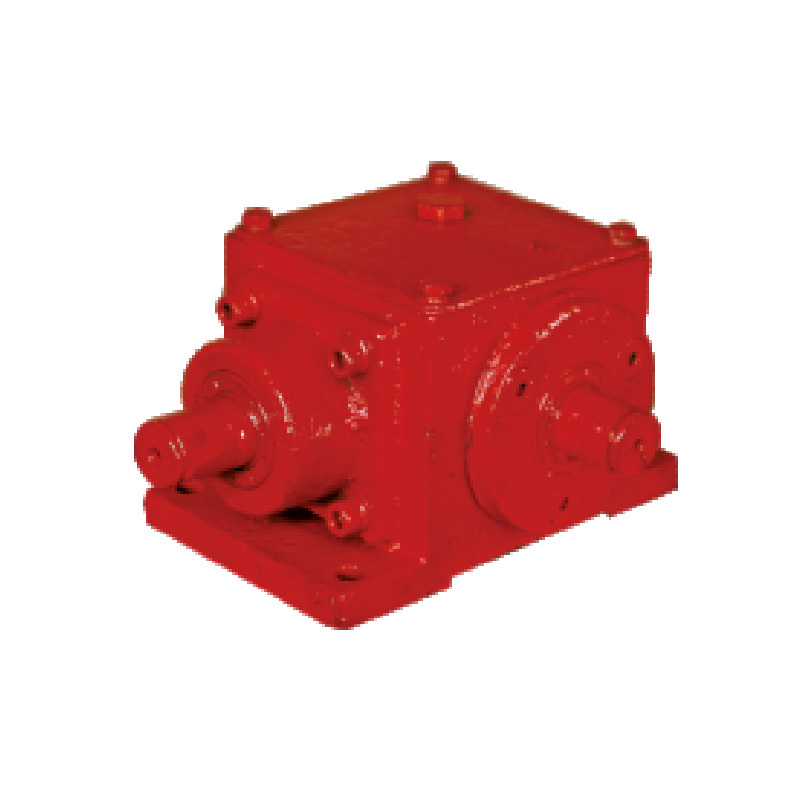
Understanding Gearboxes: The Heart of Industrial Motion
---
Gearboxes are critical components in various industrial applications, designed to transfer power and adjust the speed and torque of machinery. At their core, gearboxes consist of a series of gears that engage with each other to modify the rotational speed and force transmitted from one component to another. Whether in manufacturing, construction, or transportation, the choice of gearbox can si