Welcome to the official website of Renqiu Kaizheng Machinery Parts Factory

language
Why Agricultural Drive Gearboxes Are Essential for Robust Crop Production
2026-04-06
Why Agricultural Drive Gearboxes Are Essential for Robust Crop Production
Table of Contents
- Understanding Agricultural Drive Gearboxes
- The Importance of Gearboxes in Modern Agriculture
- Key Components and Functionality of Drive Gearboxes
- Types of Agricultural Drive Gearboxes
- Benefits of Using Agricultural Drive Gearboxes
- Selection Criteria for Agricultural Gearboxes
- Maintenance and Care for Gearboxes
- Future Trends in Agricultural Gearbox Technology
- Frequently Asked Questions
- Conclusion
Understanding Agricultural Drive Gearboxes
Agricultural drive gearboxes are mechanical devices that play a pivotal role in the transfer of power from a tractor or engine to the various implements used in farming. These gearboxes adjust the speed and torque of the power output, ensuring that the equipment operates smoothly and efficiently. Understanding the fundamental mechanics of these gearboxes is crucial for any agribusiness aiming for enhanced productivity and crop yield.
The Importance of Gearboxes in Modern Agriculture
The agricultural sector has evolved significantly over the years, with advancements in technology playing a vital role in this transformation. Agricultural drive gearboxes have become indispensable components that enable modern farming techniques. They not only optimize the performance of agricultural machinery but also increase fuel efficiency and reduce operational costs.
With the growing demand for food production, it is essential for farmers to adopt efficient machinery powered by effective gear systems. These gearboxes allow for precise control over farming operations, from tilling to harvesting, ultimately leading to better crop management and higher yields.
Key Components and Functionality of Drive Gearboxes
Drive gearboxes consist of several critical components that work together seamlessly. Understanding these components will help farmers and agricultural engineers appreciate their crucial role in crop production.
Key Components
- Gears: The primary function of gears is to transmit power and torque. They come in various designs, including spur, helical, and bevel gears, each serving specific purposes based on the machinery.
- Bearings: Bearings support rotating shafts and reduce friction, ensuring smooth operation. They are essential for the longevity of the gearbox.
- Housings: Gearbox housings protect internal components from dirt and moisture, which is critical in an agricultural environment.
- Input and Output Shafts: These components facilitate the connection between the engine and the machinery, allowing for efficient power transmission.
- Lubrication Systems: Proper lubrication is vital to reduce wear and tear on gearbox components, ensuring durability and reliability.
Functionality
The main function of agricultural drive gearboxes is to modify the input speed and torque to meet the operational needs of the machinery. For instance, when a tractor pulls a plow, the gearbox adjusts the power from the engine to ensure the plow operates efficiently in the soil. This adjustment is crucial for tasks that require specific speeds and forces, ensuring optimal performance and reducing the risk of equipment damage.
Types of Agricultural Drive Gearboxes
Understanding the different types of agricultural drive gearboxes available can help farmers choose the best option for their specific needs.
1. Planetary Gearboxes
Planetary gearboxes are known for their high torque density and compact design. They distribute load evenly across multiple gears, making them ideal for applications requiring high reliability and robustness.
2. Worm Gearboxes
Worm gearboxes offer excellent gear reduction and are often used in applications where space is limited. They provide a high level of torque and are particularly effective in slowing down high-speed machinery.
3. Helical Gearboxes
These gearboxes are designed for high-speed applications and provide a smoother operation compared to other types. Their design reduces noise and increases efficiency, making them suitable for various agricultural equipment.
4. Bevel Gearboxes
Bevel gearboxes are used when a change in the axis of rotation is needed. These are commonly found in equipment where the drive shaft is not aligned with the output shaft.
5. Spiral Bevel Gearboxes
These gearboxes offer higher efficiency and lower noise levels, making them ideal for applications requiring smooth operation. They are often used in high-performance agricultural machinery.
Benefits of Using Agricultural Drive Gearboxes
Investing in high-quality agricultural drive gearboxes offers numerous advantages that can significantly impact crop production:
1. Enhanced Efficiency
Drive gearboxes optimize the performance of agricultural machinery, allowing farmers to complete tasks more quickly and efficiently. This efficiency leads to lower fuel consumption and reduced operational costs.
2. Increased Longevity of Equipment
With proper selection and maintenance, agricultural gearboxes can extend the lifespan of farming equipment. Their role in reducing wear and tear ensures that machinery remains operational for longer periods.
3. Improved Precision and Control
Modern gearboxes enable precise control over machine speed and torque, allowing farmers to tailor operations according to specific crop requirements. This precision results in better crop management and improved yields.
4. Versatility in Applications
Agricultural drive gearboxes are designed to be versatile, accommodating various implements such as plows, harvesters, and seeders. This adaptability allows farmers to use a single gearbox type across multiple machines.
5. Reduced Maintenance Costs
High-quality gearboxes require less frequent maintenance, which can save farmers both time and money. Proper lubrication and care can significantly reduce the likelihood of mechanical failures.
Selection Criteria for Agricultural Gearboxes
Choosing the right agricultural drive gearbox is crucial for maximizing efficiency and productivity. Here are some key criteria to consider:
1. Load Requirements
Assessing the load that the gearbox will need to handle is essential. Gearboxes must be capable of managing the weight and torque produced by the implements they will be connected to.
2. Speed Ratios
Different farming applications require varying speed ratios. Understanding the required speed for specific tasks will guide the selection of a suitable gearbox.
3. Environmental Conditions
Gearboxes must be able to withstand the environmental conditions they will be exposed to, such as moisture, dust, and temperature fluctuations. Selecting a gearbox with appropriate sealing and protection is vital.
4. Durability and Reliability
Choose gearboxes made from high-quality materials that can withstand rigorous use. Durability is key to ensuring that the gearbox remains operational throughout the farming season.
5. Cost vs. Performance
While budget considerations are important, it is essential to balance cost with performance. Investing in a reliable gearbox can yield long-term benefits that outweigh initial costs.
Maintenance and Care for Gearboxes
Proper maintenance of agricultural drive gearboxes is crucial for their longevity and performance. Here are some best practices:
1. Regular Inspection
Conducting routine inspections can help identify early signs of wear and potential issues. Check for leaks, unusual noises, and abnormal temperatures.
2. Lubrication Management
Ensure that the gearbox is adequately lubricated according to the manufacturer’s guidelines. Regularly check oil levels and replace lubricants as needed to prevent wear.
3. Cleanliness
Keeping the gearbox clean from dirt and debris will help maintain its efficiency. Regular cleaning prevents contaminants from entering and damaging internal components.
4. Timely Repairs
Address any issues immediately to avoid more significant problems down the line. Timely repairs can prevent costly downtime and extend the lifespan of the gearbox.
5. Professional Service
Engaging professionals for complex repairs and maintenance tasks can ensure that the gearbox remains in optimal condition. Their expertise can help prevent common pitfalls and extend equipment life.
Future Trends in Agricultural Gearbox Technology
As technology continues to advance, agricultural drive gearboxes are expected to evolve significantly. Some trends to watch for include:
1. Smart Gearboxes
The integration of IoT technology into gearboxes will allow for real-time monitoring of performance and diagnostics. This innovation will help farmers optimize operations and predict maintenance needs.
2. Lightweight Materials
Developing gearboxes with lighter materials can improve fuel efficiency and reduce the overall weight of agricultural machinery, enhancing maneuverability.
3. Increased Customization
As farming practices become more specialized, manufacturers are likely to offer more customized gearbox solutions tailored to specific agricultural applications.
4. Sustainability Initiatives
There is a growing emphasis on sustainable farming practices. Gearbox designs that optimize energy use and minimize waste will be crucial for future agricultural operations.
5. Enhanced Energy Efficiency
Future gearboxes are expected to incorporate designs that improve energy efficiency, contributing to lower operational costs and reduced environmental impact.
Frequently Asked Questions
1. What is the role of an agricultural drive gearbox?
Agricultural drive gearboxes transfer power from the tractor or engine to farming implements, adjusting speed and torque for efficient operation.
2. How do I know which gearbox is right for my equipment?
Consider factors such as load requirements, speed ratios, environmental conditions, durability, and maintenance needs when selecting a gearbox.
3. What maintenance is required for agricultural gearboxes?
Regular inspection, lubrication management, cleanliness, and timely repairs are essential for maintaining agricultural gearboxes.
4. What are the benefits of using high-quality gearboxes?
High-quality gearboxes enhance efficiency, increase equipment longevity, provide improved precision, and reduce maintenance costs.
5. Are there any advancements in agricultural gearbox technology?
Yes, future trends include smart gearboxes, lightweight materials, increased customization, sustainability initiatives, and enhanced energy efficiency.
Conclusion
Agricultural drive gearboxes are fundamental components that significantly influence crop production efficiency and overall farming operations. By understanding their mechanics, benefits, and maintenance needs, farmers can make informed decisions that enhance productivity and sustainability. Investing in high-quality gearboxes tailored to specific agricultural applications can yield long-term benefits, ensuring robust crop production in an increasingly competitive industry. As technology continues to evolve, staying abreast of advancements in gearbox design will be crucial for optimizing agricultural practices and meeting the demands of the future.
Recent News
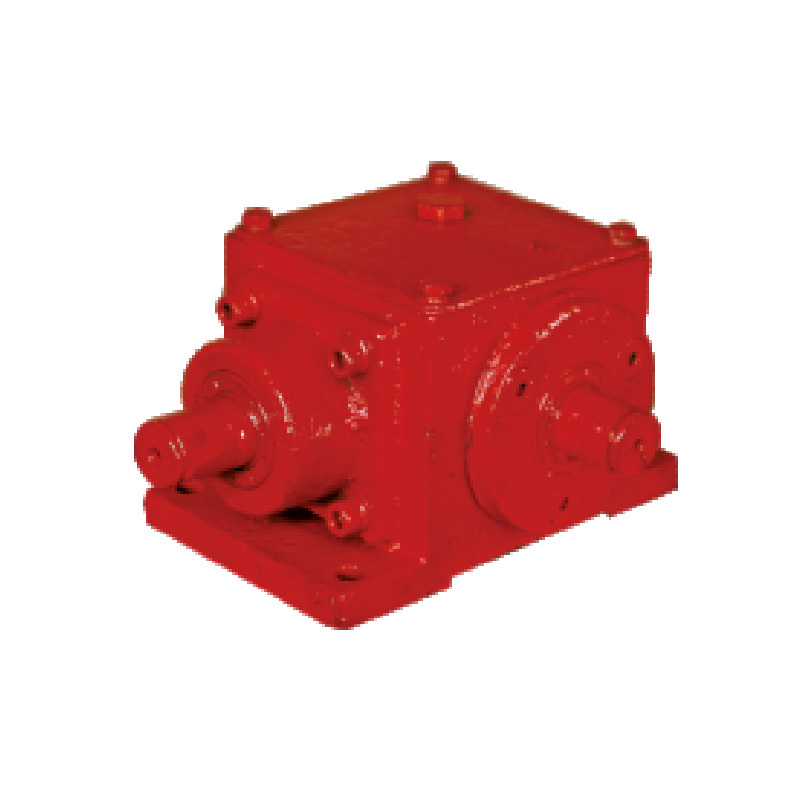
Understanding Gearboxes: The Heart of Industrial Motion
---
Gearboxes are critical components in various industrial applications, designed to transfer power and adjust the speed and torque of machinery. At their core, gearboxes consist of a series of gears that engage with each other to modify the rotational speed and force transmitted from one component to another. Whether in manufacturing, construction, or transportation, the choice of gearbox can si