Welcome to the official website of Renqiu Kaizheng Machinery Parts Factory

language
Essential Insights on Agricultural Machinery Sprockets for Enhanced Performance
2026-04-23
Agricultural machinery sprockets play a crucial role in the seamless operation of farming equipment. They are essential components in various machines, such as tractors, harvesters, and tillers, facilitating the transfer of power and motion through chain drives. Understanding the importance of these components can significantly enhance the efficiency and productivity of agricultural operations.
One of the primary functions of agricultural machinery sprockets is to ensure that the chain properly engages with the teeth of the sprocket. This engagement is vital for transmitting the torque generated by the engine to the wheels or other working parts of the machinery. High-quality sprockets are designed to minimize wear and tear, which not only prolongs their service life but also ensures consistent performance under demanding conditions.
When selecting sprockets for agricultural machinery, several factors should be considered. First, the material composition is critical. Sprockets made from high-carbon steel or other durable materials can withstand the rigorous demands of farming activities. Additionally, heat treatment can enhance the hardness and wear resistance of these components, making them suitable for harsh environments.
The size and pitch of the sprockets must also match the corresponding chain to ensure optimal fit and functionality. An incorrect size can lead to premature wear, inefficiency, and potential machinery failure. Therefore, it is advisable to consult technical specifications or a machinery expert when determining the appropriate sprocket size for your equipment.
Another key consideration is the design of the sprocket. Some sprockets feature a self-cleaning design that helps prevent mud and debris from accumulating, which can otherwise hinder performance. This feature is particularly advantageous in agricultural settings where soil and organic matter are frequently encountered.
Maintenance is an essential aspect of ensuring the longevity of agricultural machinery sprockets. Regular inspection and lubrication can significantly reduce friction and wear, enhancing the overall performance of the machinery. Farmers and equipment operators should adhere to recommended maintenance schedules and practices to keep their sprockets and chains in optimal condition.
In conclusion, agricultural machinery sprockets are vital components that significantly impact the efficiency and performance of farming equipment. By understanding the importance of material choice, sizing, design, and maintenance, professionals in the agricultural sector can make informed decisions that lead to improved machinery reliability and productivity. Investing in high-quality sprockets and adhering to best practices in maintenance will ultimately contribute to the success of agricultural operations, ensuring that machinery operates smoothly and effectively throughout the farming season.
One of the primary functions of agricultural machinery sprockets is to ensure that the chain properly engages with the teeth of the sprocket. This engagement is vital for transmitting the torque generated by the engine to the wheels or other working parts of the machinery. High-quality sprockets are designed to minimize wear and tear, which not only prolongs their service life but also ensures consistent performance under demanding conditions.
When selecting sprockets for agricultural machinery, several factors should be considered. First, the material composition is critical. Sprockets made from high-carbon steel or other durable materials can withstand the rigorous demands of farming activities. Additionally, heat treatment can enhance the hardness and wear resistance of these components, making them suitable for harsh environments.
The size and pitch of the sprockets must also match the corresponding chain to ensure optimal fit and functionality. An incorrect size can lead to premature wear, inefficiency, and potential machinery failure. Therefore, it is advisable to consult technical specifications or a machinery expert when determining the appropriate sprocket size for your equipment.
Another key consideration is the design of the sprocket. Some sprockets feature a self-cleaning design that helps prevent mud and debris from accumulating, which can otherwise hinder performance. This feature is particularly advantageous in agricultural settings where soil and organic matter are frequently encountered.
Maintenance is an essential aspect of ensuring the longevity of agricultural machinery sprockets. Regular inspection and lubrication can significantly reduce friction and wear, enhancing the overall performance of the machinery. Farmers and equipment operators should adhere to recommended maintenance schedules and practices to keep their sprockets and chains in optimal condition.
In conclusion, agricultural machinery sprockets are vital components that significantly impact the efficiency and performance of farming equipment. By understanding the importance of material choice, sizing, design, and maintenance, professionals in the agricultural sector can make informed decisions that lead to improved machinery reliability and productivity. Investing in high-quality sprockets and adhering to best practices in maintenance will ultimately contribute to the success of agricultural operations, ensuring that machinery operates smoothly and effectively throughout the farming season.
Recent News
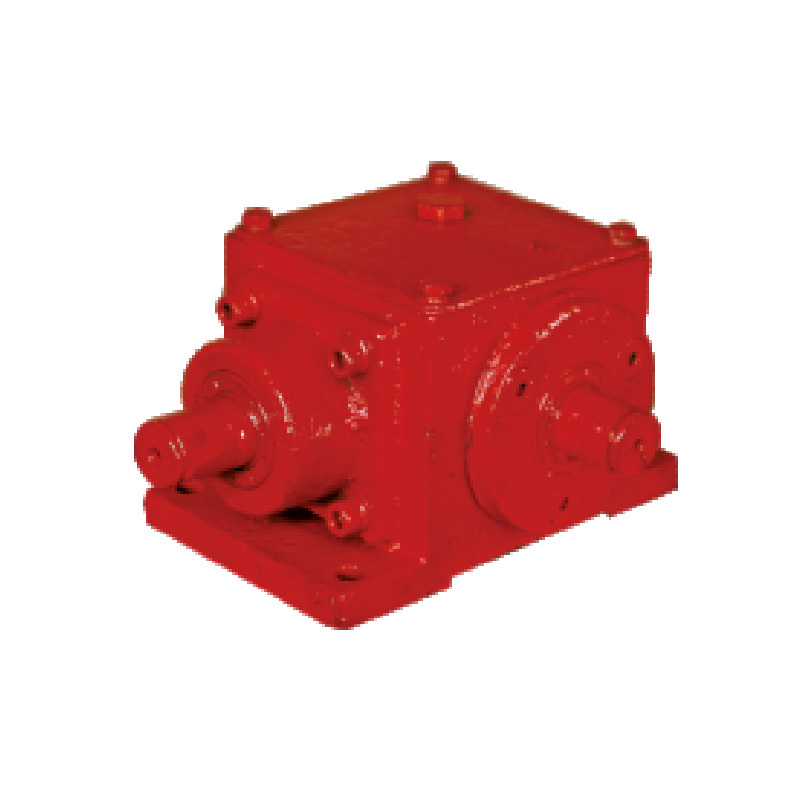
Understanding Gearboxes: The Heart of Industrial Motion
---
Gearboxes are critical components in various industrial applications, designed to transfer power and adjust the speed and torque of machinery. At their core, gearboxes consist of a series of gears that engage with each other to modify the rotational speed and force transmitted from one component to another. Whether in manufacturing, construction, or transportation, the choice of gearbox can si