Welcome to the official website of Renqiu Kaizheng Machinery Parts Factory

language
Understanding Gears: The Backbone of Automotive Transmission Systems
2026-04-21
In the automotive and motorcycle industry, gears play a pivotal role in the transmission system, enabling vehicles to transfer power effectively and achieve the desired speed. Understanding gears is essential for professionals in the field, as they are integral components that influence performance, efficiency, and overall vehicle operation.
Gears are cylindrical devices with teeth that mesh together to transmit torque and rotational motion between different parts of a machine. In the context of automotive applications, they are primarily used in the transmission system to control the engine's power output and adjust the vehicle's speed. There are several types of gears, each designed for specific functions and applications.
The most common types of gears found in automotive transmission systems include spur gears, helical gears, bevel gears, and worm gears. Spur gears are widely used due to their simple design and efficiency, while helical gears offer smoother operation and greater load capacity thanks to their angled teeth. Bevel gears are essential for changing the direction of shaft rotation, typically found in differential systems. Worm gears, known for their ability to provide high torque multiplication, are often used in scenarios where space is limited.
When discussing gears, it's important to consider factors such as gear ratios, which determine the relationship between the rotational speeds of the input and output shafts. A higher gear ratio means more torque but lower speed, while a lower gear ratio allows for higher speed but less torque. This relationship is crucial for optimizing vehicle performance under various driving conditions.
Maintaining gears is vital for ensuring the longevity and efficiency of the transmission system. Regular inspections should focus on the condition of the gear teeth, looking for wear, pitting, or chipping, which could lead to catastrophic failure if not addressed promptly. Lubrication is equally important; using the appropriate type and amount of lubricant helps reduce friction, dissipates heat, and prevents premature wear.
Furthermore, understanding the specific requirements of different environments and applications can guide the selection of the right materials and coatings for gears. For example, gears subjected to high loads or harsh conditions may benefit from specialized treatments to enhance their durability.
In summary, gears are fundamental components in automotive and motorcycle transmission systems, influencing both performance and efficiency. By understanding their types, functions, and maintenance practices, professionals can ensure optimal operation and longevity within the automotive sector. Whether you’re involved in the design, manufacturing, or maintenance of transmission systems, a comprehensive knowledge of gears is indispensable for achieving excellence in the field.
Gears are cylindrical devices with teeth that mesh together to transmit torque and rotational motion between different parts of a machine. In the context of automotive applications, they are primarily used in the transmission system to control the engine's power output and adjust the vehicle's speed. There are several types of gears, each designed for specific functions and applications.
The most common types of gears found in automotive transmission systems include spur gears, helical gears, bevel gears, and worm gears. Spur gears are widely used due to their simple design and efficiency, while helical gears offer smoother operation and greater load capacity thanks to their angled teeth. Bevel gears are essential for changing the direction of shaft rotation, typically found in differential systems. Worm gears, known for their ability to provide high torque multiplication, are often used in scenarios where space is limited.
When discussing gears, it's important to consider factors such as gear ratios, which determine the relationship between the rotational speeds of the input and output shafts. A higher gear ratio means more torque but lower speed, while a lower gear ratio allows for higher speed but less torque. This relationship is crucial for optimizing vehicle performance under various driving conditions.
Maintaining gears is vital for ensuring the longevity and efficiency of the transmission system. Regular inspections should focus on the condition of the gear teeth, looking for wear, pitting, or chipping, which could lead to catastrophic failure if not addressed promptly. Lubrication is equally important; using the appropriate type and amount of lubricant helps reduce friction, dissipates heat, and prevents premature wear.
Furthermore, understanding the specific requirements of different environments and applications can guide the selection of the right materials and coatings for gears. For example, gears subjected to high loads or harsh conditions may benefit from specialized treatments to enhance their durability.
In summary, gears are fundamental components in automotive and motorcycle transmission systems, influencing both performance and efficiency. By understanding their types, functions, and maintenance practices, professionals can ensure optimal operation and longevity within the automotive sector. Whether you’re involved in the design, manufacturing, or maintenance of transmission systems, a comprehensive knowledge of gears is indispensable for achieving excellence in the field.
Recent News
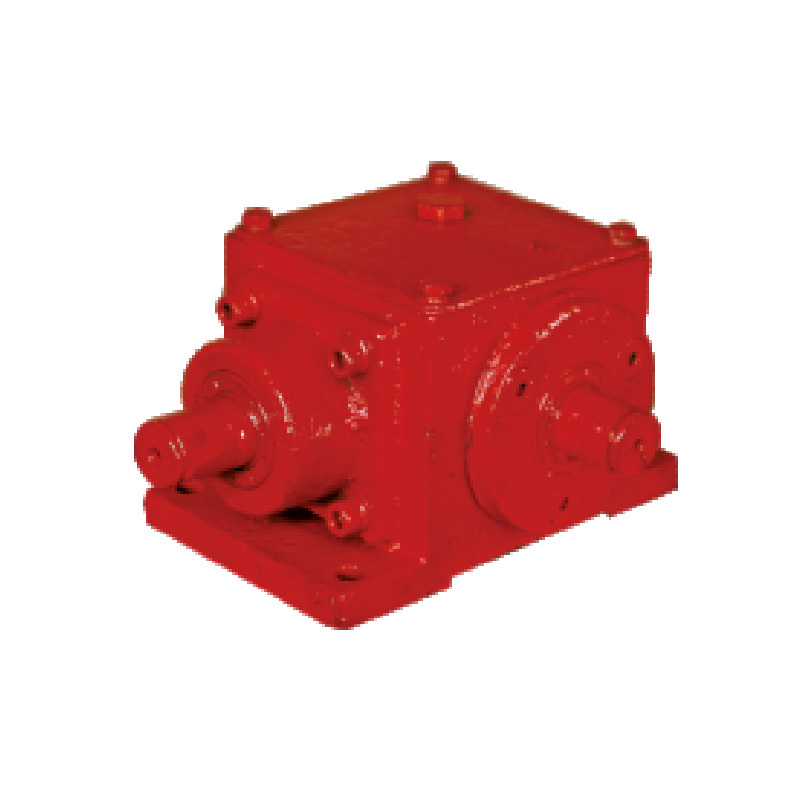
Understanding Gearboxes: The Heart of Industrial Motion
---
Gearboxes are critical components in various industrial applications, designed to transfer power and adjust the speed and torque of machinery. At their core, gearboxes consist of a series of gears that engage with each other to modify the rotational speed and force transmitted from one component to another. Whether in manufacturing, construction, or transportation, the choice of gearbox can si