Welcome to the official website of Renqiu Kaizheng Machinery Parts Factory

language
Understanding Gearboxes: Essential Components for Industrial Equipment
2026-04-19
In the industrial equipment and components sector, gearboxes play a crucial role in the operation and efficiency of machinery. A gearbox is essentially a mechanical device that transmits power from one component to another, allowing for the adjustment of torque and speed. Understanding how gearboxes function and their various types can greatly enhance the performance of your industrial operations.
There are several types of gearboxes, each designed for specific applications. The most common types include:
1. **Spur Gearboxes**: These feature straight teeth and are typically used in applications requiring high torque at low speeds. Their simple design makes them efficient, but they can be noisy during operation.
2. **Helical Gearboxes**: Unlike spur gearboxes, helical gearboxes have angled teeth, resulting in smoother operation and quieter performance. They are ideal for high-speed applications and provide better load distribution.
3. **Bevel Gearboxes**: These are used to change the direction of the power transmission, often seen in applications where shaft angles need to be adjusted. Bevel gearboxes can be either straight or spiral, with spiral bevels offering smoother performance.
4. **Planetary Gearboxes**: Known for their compact size and high torque density, planetary gearboxes are often utilized in applications where space is limited. They offer excellent load handling and are particularly effective in servo motor applications.
5. **Worm Gearboxes**: These provide a high gear reduction in a compact design and are commonly used in applications requiring high torque at low speeds. Their unique design allows for self-locking, making them useful in applications where back-driving should be avoided.
When selecting a gearbox for your industrial equipment, consider factors such as the required torque, speed, space constraints, and the specific application. It is essential to ensure that the gearbox can handle the operational load and operating conditions to prevent premature wear or failure. Regular maintenance and lubrication are also critical to enhance the lifespan and efficiency of the gearbox.
In summary, gearboxes are integral to various industrial applications, facilitating efficient power transmission and enabling precise control over speed and torque. By understanding the different types of gearboxes and their functionalities, you can make informed decisions that will improve the performance of your industrial equipment and contribute to overall operational efficiency.
There are several types of gearboxes, each designed for specific applications. The most common types include:
1. **Spur Gearboxes**: These feature straight teeth and are typically used in applications requiring high torque at low speeds. Their simple design makes them efficient, but they can be noisy during operation.
2. **Helical Gearboxes**: Unlike spur gearboxes, helical gearboxes have angled teeth, resulting in smoother operation and quieter performance. They are ideal for high-speed applications and provide better load distribution.
3. **Bevel Gearboxes**: These are used to change the direction of the power transmission, often seen in applications where shaft angles need to be adjusted. Bevel gearboxes can be either straight or spiral, with spiral bevels offering smoother performance.
4. **Planetary Gearboxes**: Known for their compact size and high torque density, planetary gearboxes are often utilized in applications where space is limited. They offer excellent load handling and are particularly effective in servo motor applications.
5. **Worm Gearboxes**: These provide a high gear reduction in a compact design and are commonly used in applications requiring high torque at low speeds. Their unique design allows for self-locking, making them useful in applications where back-driving should be avoided.
When selecting a gearbox for your industrial equipment, consider factors such as the required torque, speed, space constraints, and the specific application. It is essential to ensure that the gearbox can handle the operational load and operating conditions to prevent premature wear or failure. Regular maintenance and lubrication are also critical to enhance the lifespan and efficiency of the gearbox.
In summary, gearboxes are integral to various industrial applications, facilitating efficient power transmission and enabling precise control over speed and torque. By understanding the different types of gearboxes and their functionalities, you can make informed decisions that will improve the performance of your industrial equipment and contribute to overall operational efficiency.
Recent News
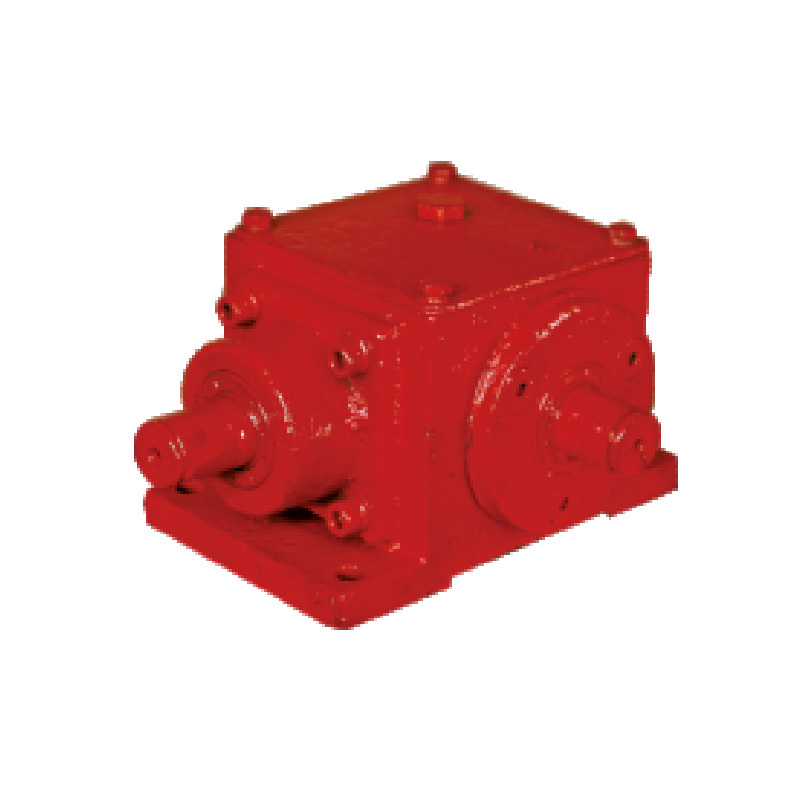
Understanding Gearboxes: The Heart of Industrial Motion
---
Gearboxes are critical components in various industrial applications, designed to transfer power and adjust the speed and torque of machinery. At their core, gearboxes consist of a series of gears that engage with each other to modify the rotational speed and force transmitted from one component to another. Whether in manufacturing, construction, or transportation, the choice of gearbox can si