Welcome to the official website of Renqiu Kaizheng Machinery Parts Factory

language
Exploring Different Types of Sprockets Used in Machinery: A Comprehensive Guide
2026-05-02
Exploring Different Types of Sprockets Used in Machinery
Table of Contents
- What Are Sprockets?
- The Importance of Sprockets in Machinery
- Types of Sprockets Used in Machinery
- Materials Used in Sprocket Manufacturing
- Sprocket Maintenance and Care
- Tips for Installing Sprockets
- Common Sprocket Issues and Solutions
- Frequently Asked Questions
What Are Sprockets?
Sprockets are toothed wheels that engage with a chain or track to transmit rotary motion in machinery. They play a critical role in various mechanical systems, ensuring effective power transfer and motion control. By engaging with the chain, sprockets help convert rotational movement from an engine or motor into linear movement in other components of a machine, making them indispensable in a multitude of applications.
The Importance of Sprockets in Machinery
The significance of sprockets in machinery cannot be overstated. They serve several key purposes, including:
- **Power Transmission**: Sprockets facilitate efficient power transfer from one component to another, allowing machines to operate smoothly.
- **Speed Control**: By varying the size of sprockets, operators can control the speed and torque of machinery, optimizing performance for specific tasks.
- **Durability**: Sprockets are designed to withstand heavy loads and harsh conditions, contributing to the longevity of machinery.
- **Versatility**: With various types available, sprockets can be tailored to meet the requirements of diverse industrial applications, from conveyor systems to automotive engines.
Types of Sprockets Used in Machinery
Understanding the different types of sprockets is essential for selecting the right one for your machinery. Below, we detail the most common types of sprockets used in various industries.
Single Strand Sprockets
Single strand sprockets are the simplest and most commonly used type in machinery. They feature a single row of teeth and are primarily used to drive chains in applications where minimal torque is required. Industries such as agriculture and light manufacturing often employ single strand sprockets due to their ease of installation and maintenance.
Multi-Strand Sprockets
As the name suggests, multi-strand sprockets come with multiple rows of teeth. They are designed to handle higher loads and are ideal for heavy-duty applications. These sprockets are commonly found in industrial machinery where powerful torque and strength are necessary, such as in conveyor systems and automotive manufacturing.
Idler Sprockets
Idler sprockets do not transmit power; instead, they help guide the chain or belt within a system. They maintain proper tension in the chain, preventing excessive slack that can lead to wear and tear. Idler sprockets are essential in ensuring the smooth operation of various machinery, including conveyors and automated systems.
Silent Sprockets
Silent sprockets are designed to reduce noise during operation. They achieve this through a unique tooth profile that decreases the impact between the sprocket and the chain. These sprockets are particularly useful in applications where noise reduction is critical, such as in elevators, escalators, and residential garage doors.
Specialty Sprockets
Specialty sprockets include various designs tailored for specific applications. Examples include double pitch sprockets, which allow for greater spacing between the teeth, and precision sprockets, designed for high-speed applications requiring accuracy. These sprockets are vital for industries such as robotics, aerospace, and advanced manufacturing.
Materials Used in Sprocket Manufacturing
The choice of material for sprockets is crucial in determining their performance and longevity. Common materials used in sprocket manufacturing include:
- **Carbon Steel**: Known for its strength and durability, carbon steel is often used for standard sprocket applications. It can be heat-treated for improved hardness.
- **Stainless Steel**: This corrosion-resistant material is ideal for environments exposed to moisture and chemicals. Stainless steel sprockets are common in food processing and pharmaceuticals.
- **Plastic**: Lightweight and resistant to corrosion, plastic sprockets are often used in applications requiring minimal noise and weight constraints, such as in conveyor systems.
- **Aluminum**: Known for its lightweight properties, aluminum sprockets are often used in applications where weight reduction is critical, such as in aerospace engineering.
Sprocket Maintenance and Care
Regular maintenance of sprockets is essential for ensuring their optimal performance and longevity. Here are some key maintenance practices:
- **Cleaning**: Regularly clean sprockets to remove dirt and debris that can cause wear and tear.
- **Lubrication**: Apply appropriate lubricant to reduce friction and wear between the sprocket and chain.
- **Inspection**: Periodically inspect sprockets for signs of wear, such as chipped or missing teeth, and replace them as necessary.
- **Alignment**: Ensure that sprockets are properly aligned with the chain to prevent uneven wear and potential failure.
Tips for Installing Sprockets
Proper installation of sprockets is critical for their performance. Consider the following tips to ensure a successful installation:
- **Select the Right Sprocket**: Choose a sprocket that matches the chain size and application requirements.
- **Check Alignment**: Ensure that the sprocket is aligned correctly with the drive and driven components.
- **Tension the Chain**: Proper tensioning of the chain prevents slippage and wear, extending the life of both the sprocket and the chain.
- **Use Quality Fasteners**: Utilize high-quality bolts and nuts to secure sprockets in place, preventing loosening during operation.
Common Sprocket Issues and Solutions
Sprockets can encounter various issues that may affect their performance. Here are some common problems and their solutions:
- **Wear and Tear**: Over time, sprockets may become worn out. Regular inspections and timely replacements can prevent issues related to ineffective power transmission.
- **Chain Slippage**: If a chain is not properly tensioned or aligned, it may slip off the sprocket. Adjusting the tension and ensuring alignment can resolve this issue.
- **Noise During Operation**: Excessive noise can indicate a problem with sprocket alignment or wear. Addressing alignment and replacing worn sprockets can help mitigate noise.
- **Corrosion**: Sprockets exposed to moisture can develop rust. Utilizing stainless steel or applying protective coatings can prevent corrosion and prolong the life of sprockets.
Frequently Asked Questions
1. What is the difference between a sprocket and a gear?
Sprockets engage with chains, while gears mesh with other gears. Sprockets primarily transmit motion through a chain, whereas gears transmit motion through direct contact.
2. How do I know if my sprocket needs replacing?
Signs of wear, such as chipped teeth, uneven wear patterns, or difficulty in chain engagement, indicate that a sprocket may need replacement.
3. Can sprockets be recycled?
Yes, many sprockets made from metal can be recycled. It is important to check with local recycling facilities for specific guidelines.
4. How often should I inspect my sprockets?
Regular inspections should be conducted at least once every month, or more frequently in high-use applications, to ensure optimal performance.
5. What are the best practices for lubricating sprockets?
Using the appropriate lubricant and applying it lightly to avoid excess buildup can ensure proper lubrication, minimizing wear and enhancing performance.
Conclusion
In conclusion, understanding the different types of sprockets used in machinery is essential for optimizing industrial equipment performance. From single strand to silent sprockets, each type has unique features and applications tailored to specific needs. By prioritizing proper maintenance, installation, and material selection, we can significantly enhance the efficiency and longevity of our machinery. Whether you are an engineer, mechanic, or simply an enthusiast, gaining knowledge about sprockets will empower you to make informed decisions and improve your machinery's operation.
Recent News
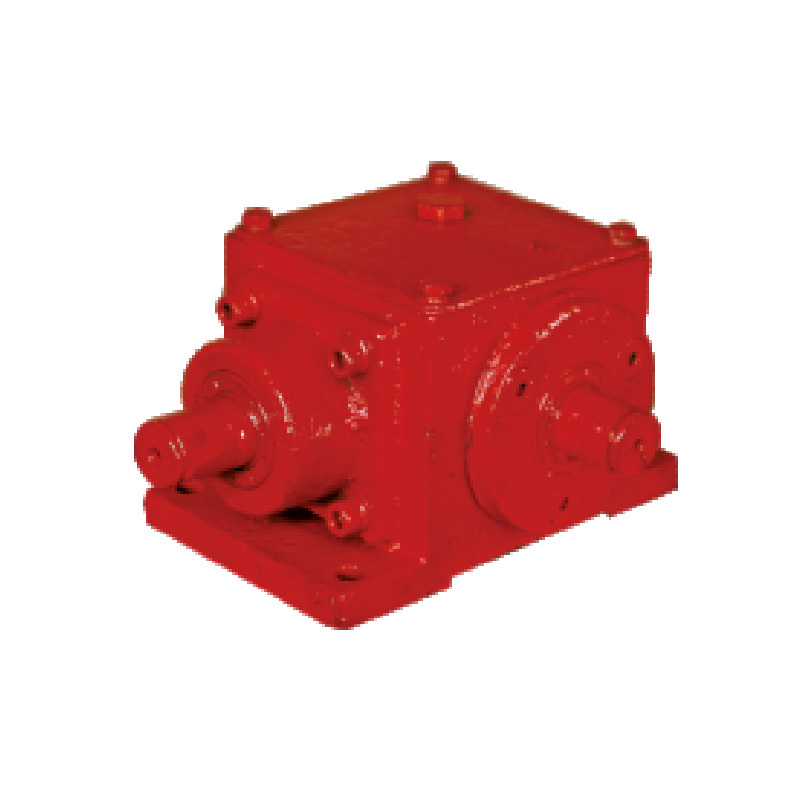
Understanding Gearboxes: The Heart of Industrial Motion
---
Gearboxes are critical components in various industrial applications, designed to transfer power and adjust the speed and torque of machinery. At their core, gearboxes consist of a series of gears that engage with each other to modify the rotational speed and force transmitted from one component to another. Whether in manufacturing, construction, or transportation, the choice of gearbox can si