Welcome to the official website of Renqiu Kaizheng Machinery Parts Factory

language
The Role of Sprockets in Chain Drives: A Comprehensive Guide
2026-04-10
The Role of Sprockets in Chain Drives: A Comprehensive Guide
Table of Contents
- 1. Introduction to Sprockets and Chain Drives
- 2. What Are Sprockets?
- 3. Types of Sprockets Used in Chain Drives
- 4. How Do Sprockets Work in Chain Drives?
- 5. Applications of Sprockets in Various Industries
- 6. Benefits of Using Sprockets in Chain Drives
- 7. Maintenance and Care for Sprockets
- 8. Commonly Asked Questions About Sprockets
- 9. Conclusion
1. Introduction to Sprockets and Chain Drives
Sprockets are integral components in chain drive systems, playing a pivotal role in the functionality of a broad range of machinery. They serve as the interface between the chain and the rotating shafts, facilitating the transfer of power and motion. This comprehensive guide aims to unveil the complexities and importance of sprockets in industrial settings.
2. What Are Sprockets?
Sprockets are toothed wheels that engage with a chain to transmit motion and power. They are available in various designs and sizes, tailored for specific applications. Understanding the intricacies of sprocket design and functionality can significantly impact the efficiency and reliability of machinery.
Key Features of Sprockets
- **Teeth Design**: The shape, size, and arrangement of teeth can vary, affecting the engagement with the chain and overall performance.
- **Material Composition**: Sprockets are constructed from materials such as steel, plastic, or aluminum, offering varying levels of durability and wear resistance.
- **Pitch Size**: The distance between the centers of two adjacent chain links defines the pitch, which is crucial for compatibility with different chain types.
3. Types of Sprockets Used in Chain Drives
Different sprocket types cater to specific requirements and applications. Here, we explore the most common types used in chain drives.
3.1 Roller Sprockets
Roller sprockets are perhaps the most widely recognized type. Their design allows for smooth engagement with roller chains, making them ideal for high-speed applications. They are prevalent in manufacturing, automotive, and conveyor systems.
3.2 Silent Sprockets
Silent sprockets are designed to operate with a higher degree of noise reduction. They utilize a specific tooth profile that minimizes vibration and noise, making them suitable for applications requiring quieter operation, such as in residential or office settings.
3.3 Toothed Sprockets
Toothed sprockets feature a continuous tooth design and are typically used in applications that require a high degree of precision and reliability. These are commonly found in robotics and automated equipment, where accuracy is paramount.
4. How Do Sprockets Work in Chain Drives?
Sprockets work by engaging with the links of a chain to create a mechanical advantage. When a sprocket turns, it pulls the chain along with it, allowing motion to be transmitted from one point to another. This mechanism is essential in various machinery, including conveyor belts, motorcycles, and industrial machinery.
The Mechanics of Engagement
The interaction between the sprocket’s teeth and the chain links is crucial. The shape and alignment of the teeth ensure that the chain is effectively guided and prevents slippage. Proper alignment is vital for maintaining efficiency and reducing wear on both the sprocket and the chain.
5. Applications of Sprockets in Various Industries
Sprockets find their application across numerous industries, each with its unique demands and challenges. Here are some key sectors where sprockets play a crucial role:
Manufacturing and Automation
In manufacturing, sprockets are central to conveyor systems, enabling the efficient movement of materials and finished products. Automated machinery relies on precisely engineered sprockets to facilitate smooth operations.
Automotive Industry
Sprockets are fundamental in the automotive sector, where they connect the engine to various components, including the transmission and drive shafts. Their reliability is vital for vehicle performance.
Agriculture
In agricultural machinery, sprockets are used in equipment such as tractors and harvesters. They help in the effective transmission of power, ensuring optimal performance in demanding field conditions.
6. Benefits of Using Sprockets in Chain Drives
The use of sprockets in chain drives offers several advantages that contribute to the efficiency and longevity of machinery.
Efficiency and Power Transfer
Sprockets provide efficient power transfer, minimizing energy loss during operation. This efficiency can lead to reduced operational costs and increased productivity.
Durability and Longevity
With proper maintenance, sprockets can offer a long service life. Materials and design choices significantly influence their durability, making it essential to select the right type for specific applications.
Versatility
Sprockets can be tailored to fit various chain sizes and types, making them adaptable for numerous applications across different industries. This versatility allows manufacturers to create custom solutions to meet specific operational needs.
7. Maintenance and Care for Sprockets
To ensure optimal performance and longevity, routine maintenance of sprockets is essential. Here are some key maintenance practices:
Regular Inspections
Conducting regular inspections can help identify wear and tear before it leads to significant issues. Look for signs of wear on teeth, misalignment, and chain engagement.
Lubrication
Proper lubrication reduces friction between the sprocket and chain, minimizing wear and enhancing performance. Use the appropriate lubricant based on the environment and operational conditions.
Replacement Timing
Knowing when to replace sprockets is vital. If teeth are worn down or if there is excessive play between the sprocket and chain, it’s time for a replacement to prevent further damage to the system.
8. Commonly Asked Questions About Sprockets
What materials are sprockets made from?
Sprockets can be made from various materials, including steel, aluminum, and plastic, depending on the required strength and application.
How do I determine the right sprocket size?
To determine the correct sprocket size, consider the pitch of the chain, the number of teeth needed for your application, and the desired speed ratio.
Can sprockets be used with different types of chains?
Yes, sprockets are designed to work with specific types of chains. It's essential to match the sprocket type and size with the chain specifications to ensure proper function.
How often should I inspect my sprockets?
Regular inspections should be conducted at least once every month, but more frequent checks may be necessary in high-load or critical applications.
What signs indicate a need for sprocket replacement?
Signs include excessive wear on the teeth, difficulty in chain engagement, unusual noises during operation, and visible damage to the sprocket body.
9. Conclusion
Sprockets are an indispensable component in chain drive systems, providing efficient power transmission across various industries. By understanding their design, functions, and maintenance needs, one can optimize machinery performance and enhance operational efficiency. Investing time in learning about sprockets will not only improve equipment longevity but also contribute to a more streamlined and effective workflow.
Recent News
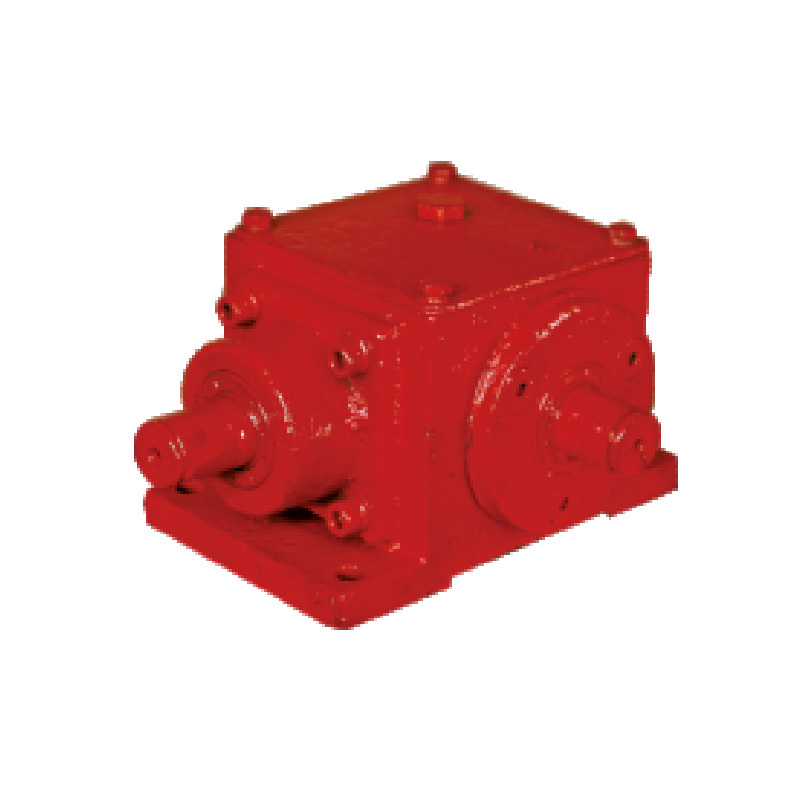
Understanding Gearboxes: The Heart of Industrial Motion
---
Gearboxes are critical components in various industrial applications, designed to transfer power and adjust the speed and torque of machinery. At their core, gearboxes consist of a series of gears that engage with each other to modify the rotational speed and force transmitted from one component to another. Whether in manufacturing, construction, or transportation, the choice of gearbox can si