Welcome to the official website of Renqiu Kaizheng Machinery Parts Factory

Gearbox Design, Working Principles, Structural Features, Industrial Applications and Importance in Modern Mechanical Power Transmission Systems
2026-03-19
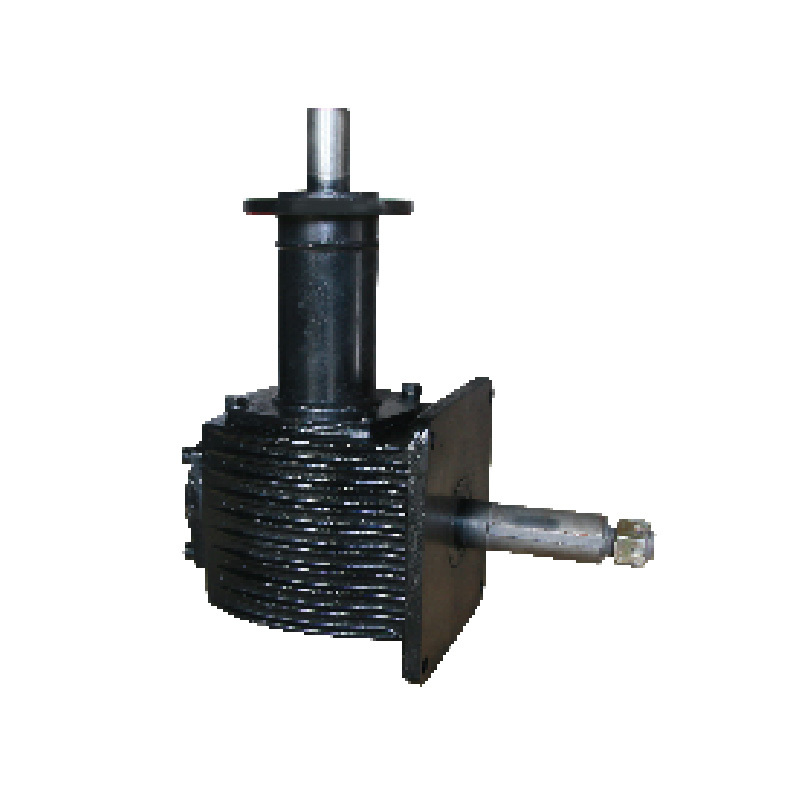
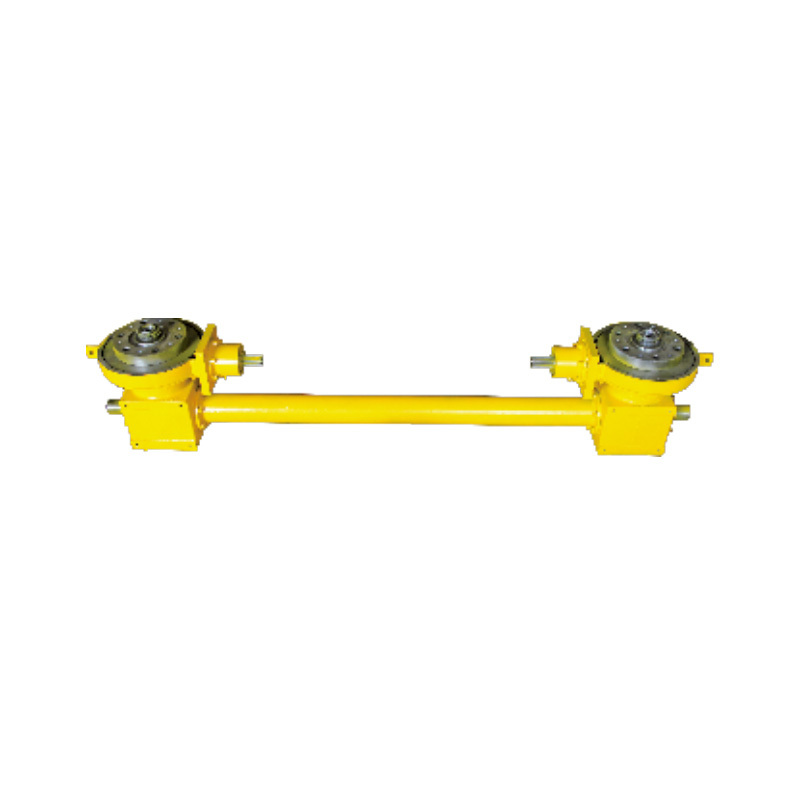
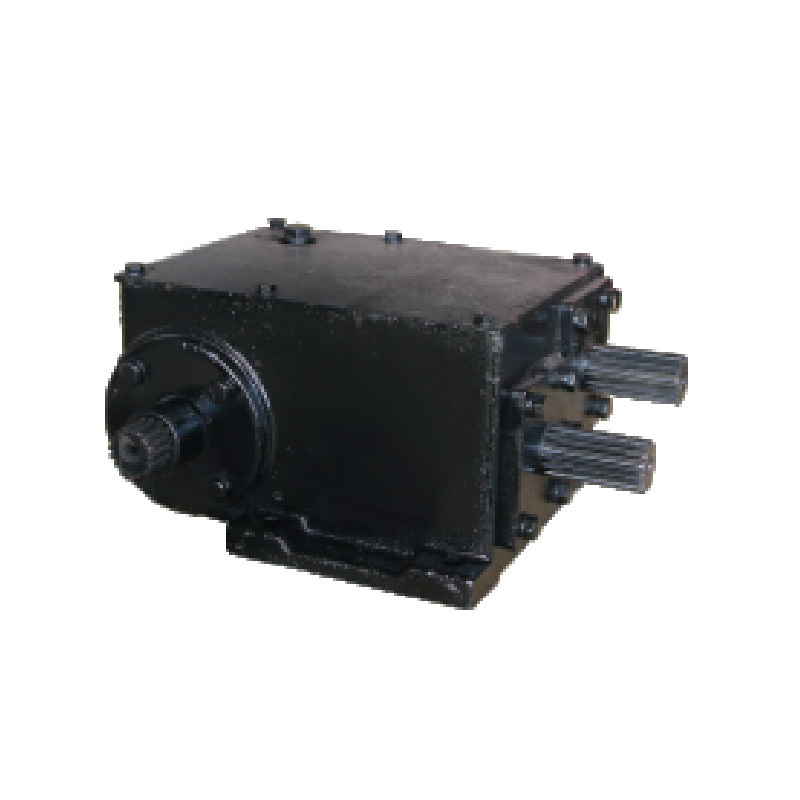
A gearbox is a fundamental mechanical component used in a wide range of machinery to transmit power and adjust speed, torque, and direction between an input and an output shaft. It plays a vital role in optimizing mechanical performance, ensuring that engines or motors operate within their ideal speed range while delivering the required torque for specific working conditions. Gearboxes are widely used in automotive systems, agricultural machinery, construction equipment, industrial production lines, marine propulsion systems, and many other mechanical applications.
The core structure of a gearbox typically includes gears, shafts, bearings, and a rigid housing. Gears are the key elements that mesh together to transfer motion and force. Depending on the design, gearboxes may contain spur gears, helical gears, bevel gears, worm gears, or planetary gear sets. Each gear type has its own performance characteristics. For example, helical gears provide smoother and quieter operation, while worm gears are suitable for high torque reduction in compact spaces. Planetary gear systems are known for their high efficiency and compact design, making them widely used in modern machinery.
Gearboxes are classified into different types based on their application and structure. Fixed-ratio gearboxes provide a constant speed reduction or increase, while variable-speed gearboxes allow adjustable output depending on operational needs. Manual gearboxes are commonly used in vehicles, enabling drivers to select different gear ratios. Automatic gearboxes, on the other hand, shift gears automatically based on speed and load conditions, improving driving convenience and efficiency. Industrial gearboxes are often custom-designed to handle heavy loads, continuous operation, and harsh working environments.
In agricultural machinery, gearboxes are essential components that transfer engine power to wheels, cutting systems, and other attachments. Tractors, harvesters, and tillers rely on durable gearboxes to operate efficiently under high load and variable terrain conditions. In construction equipment such as excavators and loaders, gearboxes ensure precise control and strong torque output for heavy-duty tasks. In industrial applications, gearboxes are widely used in conveyors, crushers, mixers, and pumps, where stable and continuous operation is required.
The performance of a gearbox depends on several key factors, including gear material, heat treatment process, lubrication system, load capacity, and manufacturing precision. High-quality steel alloys and advanced surface hardening techniques improve wear resistance and extend service life. Proper lubrication reduces friction and heat generation, ensuring smooth operation and minimizing maintenance requirements. Precision engineering ensures accurate gear meshing, reducing noise, vibration, and energy loss.
Modern gearbox technology focuses on improving efficiency, reducing energy consumption, and enhancing durability. Lightweight materials, optimized gear profiles, and advanced computer-aided design methods contribute to higher performance and reliability. In addition, smart monitoring systems are increasingly integrated into industrial gearboxes to detect temperature, vibration, and wear conditions in real time, helping prevent failures and reduce downtime.
Maintenance is also an important aspect of gearbox operation. Regular inspection, oil replacement, and component checks are necessary to ensure long-term stability. Proper installation and alignment help prevent premature wear and mechanical failure. With correct usage and maintenance, gearboxes can operate reliably for many years even under demanding conditions.
Overall, the gearbox is an essential mechanical device that enables efficient power transmission and motion control across countless industries. Its versatility, durability, and engineering adaptability make it a key component in modern mechanical systems, supporting productivity, efficiency, and technological development worldwide.
Previous:
Next:
Recent News
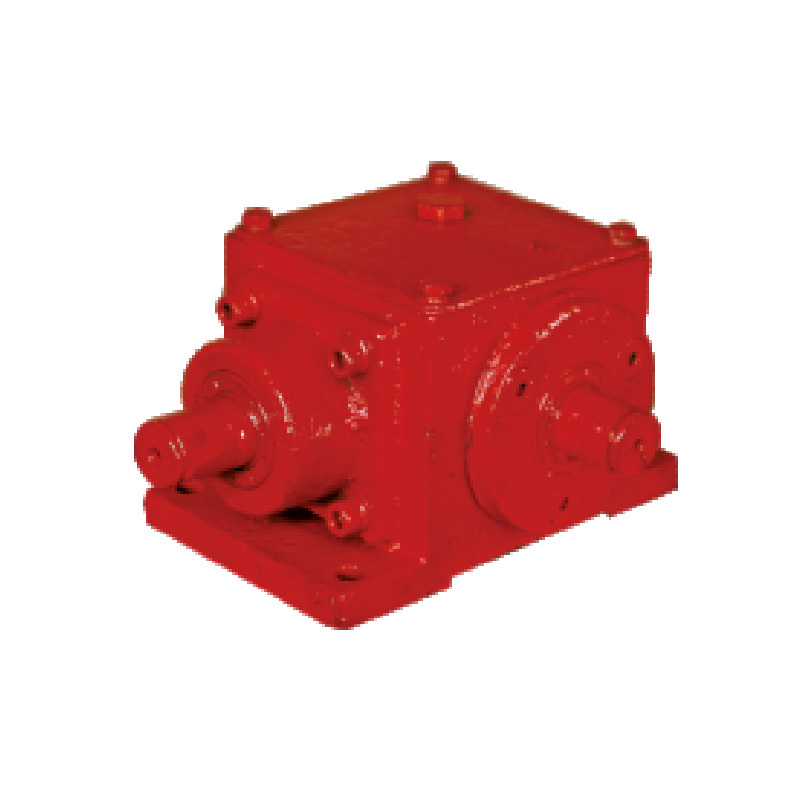
Understanding Gearboxes: The Heart of Industrial Motion