Welcome to the official website of Renqiu Kaizheng Machinery Parts Factory

language
Why Steel Sprocket Wheels Are Essential for Chain Drive Systems
2026-04-04
Why Steel Sprocket Wheels Are Essential for Chain Drive Systems
Table of Contents
- Introduction to Steel Sprocket Wheels
- Understanding Chain Drive Systems
- The Importance of Steel Sprockets in Engineering
- Benefits of Using Steel Sprocket Wheels
- Durability and Strength
- Efficiency in Power Transmission
- Cost-Effectiveness
- Versatility in Applications
- Applications of Steel Sprockets
- Choosing the Right Steel Sprocket Wheel
- Maintenance Tips for Steel Sprockets
- Conclusion
- FAQs
Introduction to Steel Sprocket Wheels
Steel sprocket wheels are integral components of chain drive systems, serving as the driving force behind countless machines and industrial applications. These wheels facilitate the transfer of power and motion, transforming engine output into functional work. Understanding the significance of steel sprocket wheels in the context of chain drive systems is essential for engineers, manufacturers, and anyone involved in machinery design.
Understanding Chain Drive Systems
Chain drive systems are mechanical assemblies designed to transfer power between two or more rotating shafts. They consist of various components, including chains, sprockets, and sometimes additional gears. Typically, one or more chains connect the sprocket wheels, allowing for synchronized motion and energy transfer. Key advantages of chain drive systems include their ability to operate over a distance, minimal slippage, and high efficiency.
Components of a Chain Drive System
A typical chain drive system includes:
- **Sprocket Wheels**: These are toothed wheels that mesh with the chain, enabling the transfer of power.
- **Chains**: Chains consist of interconnected links and provide the medium through which power is transmitted.
- **Tensioners**: These maintain the proper tension in the chain to ensure effective operation.
- **Bearings**: Bearings reduce friction between moving parts, enhancing overall efficiency.
The Importance of Steel Sprockets in Engineering
Steel sprockets are critical for maintaining the functionality, reliability, and longevity of chain drive systems. They are crafted from high-quality materials, ensuring that they can withstand the high demands of industrial applications. Steel, in particular, is favored for its excellent tensile strength and resistance to wear, making it an ideal choice for high-performance machinery.
Benefits of Using Steel Sprocket Wheels
Steel sprocket wheels offer a myriad of benefits that make them a preferred choice in various industrial applications. Let’s explore some of these advantages in detail.
Durability and Strength
Steel sprockets are renowned for their **durability and strength**. Unlike plastic or aluminum counterparts, steel can withstand high levels of stress, heavy loads, and extreme temperatures. This robustness translates into a longer lifespan, reducing the frequency of replacements and associated downtime.
Efficiency in Power Transmission
The design of steel sprockets allows for effective power transmission, minimizing losses due to slippage. With their precision-engineered teeth, steel sprockets engage with chains seamlessly, ensuring efficient force transfer. This efficiency is crucial in applications requiring high torque and speed.
Cost-Effectiveness
While the initial investment in steel sprocket wheels may be higher than alternatives, their longevity and reduced maintenance needs often lead to lower overall costs. Companies can save on frequent replacements and repairs, ultimately improving their bottom line.
Versatility in Applications
Steel sprocket wheels find applications across a wide range of industries, including:
- **Manufacturing**: Used in conveyor systems to move products efficiently.
- **Automotive**: Integral in the operation of vehicles, contributing to the drive mechanism.
- **Agriculture**: Employed in tractors and other equipment for effective operation.
- **Material Handling**: Essential for systems that transport heavy loads in warehouses and distribution centers.
Applications of Steel Sprockets
Steel sprocket wheels are utilized in various environments due to their strength and reliability. Let’s delve into some specific applications.
1. Automotive Industry
In vehicles, steel sprocket wheels are crucial for timing chains that synchronize the engine’s camshaft and crankshaft. This synchronization ensures optimal engine performance, making steel sprockets indispensable for automotive efficiency.
2. Manufacturing and Assembly Lines
In manufacturing, steel sprockets drive conveyor belts, assisting in the seamless movement of products along assembly lines. Their reliability ensures that production processes remain uninterrupted.
3. Agricultural Machinery
Agricultural equipment, such as tractors and harvesters, depend on steel sprocket wheels for their operation. These components help transfer power from the engine to various working parts, enhancing productivity in farming operations.
4. Material Handling Equipment
Steel sprockets are essential in forklifts, pallet jacks, and other material handling equipment. They ensure that loads are moved efficiently and safely, which is critical in logistics operations.
5. Mining and Heavy Equipment
In the mining industry, the durability of steel sprockets allows them to endure harsh conditions. They are instrumental in driving conveyor systems that transport materials from underground to processing facilities.
Choosing the Right Steel Sprocket Wheel
Selecting the appropriate steel sprocket wheel for your application involves several considerations. Factors to evaluate include:
- **Load Capacity**: Ensure that the sprocket can handle the maximum load it will experience.
- **Size and Pitch**: The size of the sprocket should match the chain pitch for effective engagement.
- **Material**: Opt for quality steel that meets the specific requirements of your application.
- **Environment**: Consider factors such as exposure to moisture, chemicals, and temperature variations.
Maintenance Tips for Steel Sprockets
Proper maintenance of steel sprockets is essential for maximizing their lifespan and performance. Here are some maintenance tips:
- **Regular Inspections**: Conduct routine checks for wear and tear, ensuring that sprockets remain in good condition.
- **Lubrication**: Apply suitable lubricant to reduce friction and prevent wear.
- **Alignment Checks**: Ensure that sprockets are correctly aligned with chains to prevent premature failure.
- **Cleanliness**: Keep sprockets clean to avoid buildup that can affect performance.
Conclusion
Steel sprocket wheels are indispensable components in chain drive systems, contributing to their efficiency, durability, and reliability. With their robust construction and versatility, these sprockets play a critical role across numerous industries, from automotive to manufacturing. By understanding their importance and ensuring proper maintenance, businesses can leverage the full benefits of steel sprocket wheels in their operations.
FAQs
1. What is the primary function of a steel sprocket wheel?
Steel sprocket wheels transfer power and motion from one shaft to another in chain drive systems, ensuring synchronized operation.
2. Why is steel preferred over other materials for sprockets?
Steel offers superior strength, durability, and resistance to wear, making it ideal for high-performance applications.
3. How do I know if my sprocket needs replacing?
Signs of wear, such as tooth degradation or unusual noise during operation, indicate that it may be time for a replacement.
4. Can steel sprocket wheels be used in high-temperature environments?
Yes, steel sprocket wheels are capable of withstanding high temperatures, especially when made from heat-treated steel.
5. What maintenance is required for steel sprockets?
Regular inspections, lubrication, and alignment checks are essential for maintaining the performance of steel sprockets.
Recent News
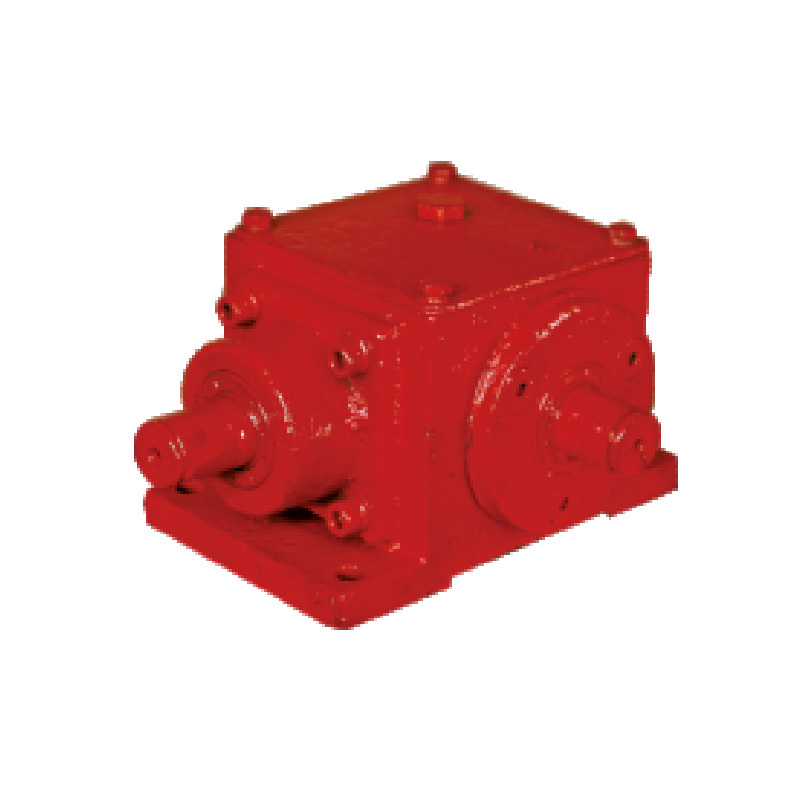
Understanding Gearboxes: The Heart of Industrial Motion
---
Gearboxes are critical components in various industrial applications, designed to transfer power and adjust the speed and torque of machinery. At their core, gearboxes consist of a series of gears that engage with each other to modify the rotational speed and force transmitted from one component to another. Whether in manufacturing, construction, or transportation, the choice of gearbox can si