Welcome to the official website of Renqiu Kaizheng Machinery Parts Factory

language
The Critical Role of Spline Shafts in Today's Transmission Systems
2026-04-12
The Importance of Spline Shafts in Modern Transmission Systems
Table of Contents
- 1. Introduction: Understanding Spline Shafts
- 2. The Design of Spline Shafts: An Overview
- 3. Functionality: How Spline Shafts Operate
- 4. Applications of Spline Shafts in Various Industries
- 5. Advantages of Using Spline Shafts
- 6. Maintenance Best Practices for Spline Shafts
- 7. The Future of Spline Shafts in Transmission Technology
- 8. Conclusion: The Unseen Heroes of Transmission Systems
- 9. Frequently Asked Questions
1. Introduction: Understanding Spline Shafts
In the realm of modern transmission systems, **spline shafts** serve as a fundamental component that significantly enhances the mechanical performance of vehicles and machinery. These components facilitate the transfer of torque and rotational motion between parts, ensuring seamless operation. As industries evolve, the demand for efficient and durable transmission systems grows, making spline shafts even more critical. This article explores the indispensable role of spline shafts, their design intricacies, applications across various sectors, and the numerous advantages they offer.
2. The Design of Spline Shafts: An Overview
Spline shafts are characterized by their unique geometric design, which typically consists of a series of ridges or grooves along their length. These features create an interlocking mechanism with corresponding components, such as gears or couplings.
2.1 Types of Spline Shafts
There are various types of spline shafts, including but not limited to:
- **External Splines**: Commonly used in connection with gears.
- **Internal Splines**: Often found within components like clamps and fittings.
- **Straight Splines**: Feature straight ridges, allowing for high torque transmission.
- **Involute Splines**: Provide improved contact and load distribution, enhancing performance.
This design flexibility allows engineers to select the appropriate spline type based on specific application requirements, torque levels, and load conditions.
2.2 Material Considerations
The choice of material is critical in the design of spline shafts. Common materials include:
- **Steel Alloys**: Known for their strength and durability.
- **Aluminum Alloys**: Lightweight, offering corrosion resistance.
- **Composite Materials**: Emerging options that provide strength while reducing weight.
Selecting the right material can significantly impact the lifespan and reliability of the spline shaft.
3. Functionality: How Spline Shafts Operate
The functionality of spline shafts hinges on their ability to transmit torque efficiently. When two components with matching splines are engaged, the ridges fit together perfectly, allowing for a secure connection that prevents slippage.
3.1 Torque Transmission
Spline shafts excel in torque transmission by distributing forces evenly across the engaged surfaces. This capability not only maximizes efficiency but also minimizes wear and tear, making it crucial for high-performance applications.
3.2 Flexibility and Alignment
Additionally, spline shafts allow for some degree of misalignment between the connected components. This characteristic is particularly valuable in applications where precise alignment is challenging, ensuring ongoing functionality without compromising performance.
4. Applications of Spline Shafts in Various Industries
Spline shafts find applications across numerous industries, underscoring their versatility and importance.
4.1 Automotive Industry
In the automotive industry, spline shafts are integral to transmission systems, connecting engines with gear systems and drive shafts. Their ability to handle high torque levels makes them indispensable in performance-oriented vehicles, including sports cars and heavy-duty trucks.
4.2 Aerospace and Aviation
In aerospace, spline shafts are utilized in landing gear mechanisms and engine components. The reliability and lightweight characteristics of spline shafts contribute significantly to overall aircraft performance and safety.
4.3 Industrial Machinery
Spline shafts are widely used in various industrial machinery applications, including conveyor systems, hydraulic pumps, and robotics. Their robustness ensures that heavy machinery operates smoothly under demanding conditions.
4.4 Renewable Energy
With the rise of renewable energy solutions, spline shafts have found a place in wind turbine gearboxes, where their efficiency directly correlates to energy output.
5. Advantages of Using Spline Shafts
The integration of spline shafts in modern transmission systems presents numerous advantages.
5.1 Enhanced Torque Capacity
One of the primary benefits of spline shafts is their ability to transmit higher levels of torque compared to traditional shaft designs. This enhancement leads to improved performance and efficiency in various applications.
5.2 Durability and Longevity
The robust design and material selection contribute to the durability and longevity of spline shafts. They can withstand significant wear and tear, making them a cost-effective solution over time.
5.3 Reduced Maintenance Needs
Spline shafts typically require less maintenance than other mechanical components. Their design minimizes the likelihood of failure, allowing for smoother operations and reducing downtime.
6. Maintenance Best Practices for Spline Shafts
While spline shafts are designed for durability, regular maintenance is essential for optimal performance.
6.1 Regular Inspections
Conducting regular inspections of spline shafts helps identify wear patterns and potential issues before they escalate.
6.2 Lubrication
Proper lubrication is crucial for reducing friction and preventing wear. Choosing the right lubricant for the specific application can enhance performance and lifespan.
6.3 Alignment Checks
Maintaining proper alignment ensures that spline shafts operate efficiently and prevents premature wear. Regular checks can help maintain the integrity of the entire transmission system.
7. The Future of Spline Shafts in Transmission Technology
As technology continues to advance, the future of spline shafts looks promising. With the ongoing development of lightweight materials and improved manufacturing techniques, we can expect to see even more efficient and durable spline designs.
7.1 Innovations in Material Science
Emerging materials, such as advanced composites, are being explored to enhance the performance characteristics of spline shafts, making them lighter and stronger.
7.2 Smart Technologies
The integration of smart technologies, including sensors, can provide real-time data on the performance of spline shafts, enabling predictive maintenance and further extending their lifespan.
8. Conclusion: The Unseen Heroes of Transmission Systems
In conclusion, spline shafts are vital components in modern transmission systems, offering unparalleled efficiency, durability, and versatility across various industries. Their ability to transmit torque effectively while accommodating alignment challenges makes them essential for performance-driven applications. As technology advances, the role of spline shafts is poised to grow even more significant, paving the way for innovative solutions in transmission technology.
9. Frequently Asked Questions
9.1 What are spline shafts used for?
Spline shafts are primarily used to transmit torque and rotational motion in mechanical systems, including automotive transmissions and industrial machinery.
9.2 How do spline shafts differ from plain shafts?
Unlike plain shafts, which may have a smooth surface, spline shafts feature ridges or grooves that interlock with corresponding components to enhance torque transmission.
9.3 What maintenance do spline shafts require?
Spline shafts require regular inspections, lubrication, and alignment checks to ensure optimal performance and longevity.
9.4 Can spline shafts be customized for specific applications?
Yes, spline shafts can be customized in terms of size, shape, and material to meet the specific requirements of various applications.
9.5 What industries rely heavily on spline shafts?
Industries such as automotive, aerospace, industrial machinery, and renewable energy heavily rely on spline shafts for efficient torque transmission and mechanical performance.
Previous:
Recent News
Understanding Gearboxes: The Heart of Industrial Motion
---
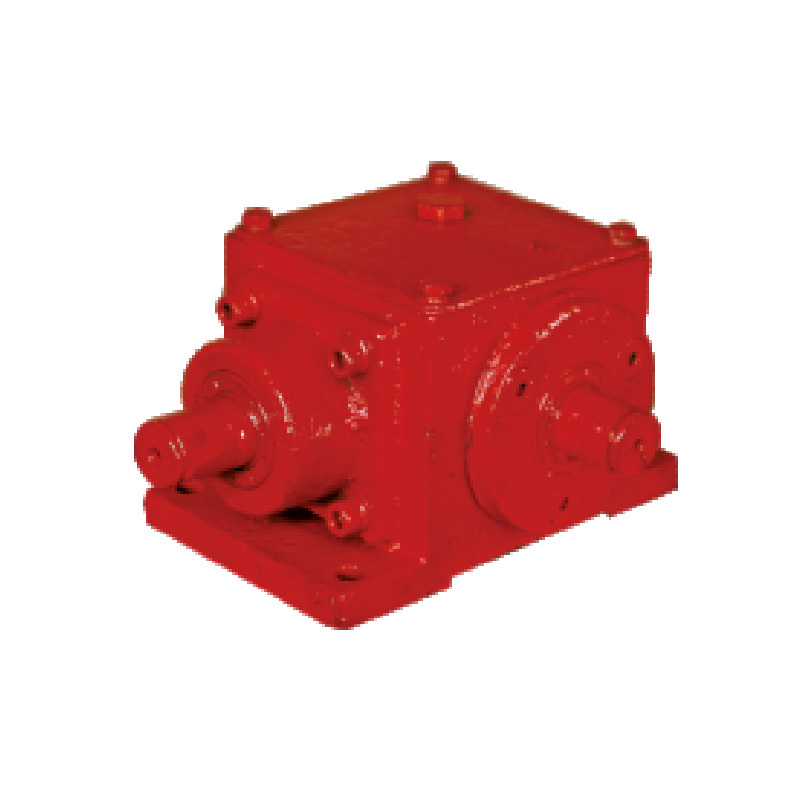
Gearboxes are critical components in various industrial applications, designed to transfer power and adjust the speed and torque of machinery. At their core, gearboxes consist of a series of gears that engage with each other to modify the rotational speed and force transmitted from one component to another. Whether in manufacturing, construction, or transportation, the choice of gearbox can si