Welcome to the official website of Renqiu Kaizheng Machinery Parts Factory

language
Maximizing Durability: Choosing the Right Steel Sprocket Wheel for Your Equipment
2026-04-14
Maximizing Durability: Choosing the Right Steel Sprocket Wheel for Your Equipment
Table of Contents
- Introduction to Steel Sprocket Wheels
- What is a Sprocket Wheel?
- The Importance of Sprocket Wheels in Industrial Equipment
- Factors Influencing Durability of Steel Sprocket Wheels
Types of Steel Used in Sprocket Wheels
- Key Design Features for Maximum Durability
- Application-Specific Considerations
- Maintenance Tips for Longevity
- Conclusion
- Frequently Asked Questions
Introduction to Steel Sprocket Wheels
Steel sprocket wheels are vital components in a variety of industrial applications, enabling the smooth transfer of motion and energy within machines. The choice of the right sprocket wheel is crucial, as it significantly affects the overall durability and efficiency of your equipment. In this article, we will explore the essential aspects of selecting a durable steel sprocket wheel, ensuring that your machinery operates at peak performance.
What is a Sprocket Wheel?
A sprocket wheel is a toothed wheel that engages with a chain or belt system, converting rotational motion into linear movement. Sprocket wheels are commonly found in various machinery, including conveyor systems, agricultural equipment, and automotive applications. Understanding the mechanics of sprocket wheels is fundamental to maximizing their durability and performance.
The Importance of Sprocket Wheels in Industrial Equipment
Sprocket wheels play a pivotal role in numerous industrial processes by providing the necessary motion transfer. Their performance directly impacts the speed, efficiency, and overall productivity of machinery. When sprocket wheels are chosen correctly, they enhance the longevity of the equipment, reduce downtime, and lower maintenance costs.
Factors Influencing Durability of Steel Sprocket Wheels
Several factors influence the durability of steel sprocket wheels, and understanding these can help in making informed choices:
Material Quality
The quality of steel used in the manufacturing of sprocket wheels is paramount. High-grade steel can withstand significant stress and wear, making it essential for industrial applications.
Heat Treatment Processes
Heat treatment processes, such as quenching and tempering, enhance the mechanical properties of steel, improving its hardness and toughness. Proper heat treatment increases resistance to wear and extends the lifespan of sprocket wheels.
Design Specifications
The design of the sprocket, including tooth profile and geometry, plays a crucial role in its durability. A well-designed sprocket reduces stress concentrations and wear, leading to longer service life.
Operating Conditions
Understanding the specific operating conditions, such as load, speed, and environment, is critical for selecting the right sprocket wheel. Adverse conditions, including extreme temperatures or corrosive environments, can significantly impact durability.
Types of Steel Used in Sprocket Wheels
The choice of steel type is one of the most critical decisions when selecting a sprocket wheel. Each type of steel has unique properties that affect its performance.
Carbon Steel
Carbon steel is widely used for its excellent strength and machinability. It is cost-effective and provides good wear resistance, making it suitable for various applications. However, it may not perform well in highly corrosive environments.
Alloy Steel
Alloy steel is enhanced with other elements, such as chromium or nickel, to improve its strength, toughness, and corrosion resistance. This type of steel is ideal for high-stress applications but comes at a higher cost.
Stainless Steel
Stainless steel is renowned for its corrosion resistance, making it suitable for environments where moisture and chemicals are present. While it may not have the same hardness as carbon or alloy steel, it compensates with longevity in adverse conditions.
Key Design Features for Maximum Durability
When choosing a steel sprocket wheel, several design features should be considered to maximize durability:
Tooth Design
The design of the teeth, including shape and size, affects how well the sprocket engages with the chain. A well-designed tooth profile minimizes wear and improves efficiency.
Hub Design
The hub should be engineered to support the load and maintain alignment. A robust hub design prevents failure and prolongs the lifespan of the sprocket wheel.
Surface Treatment
Surface treatments, such as coating or plating, can enhance corrosion resistance and reduce friction. Choosing a sprocket with the right surface treatment can significantly improve its durability.
Application-Specific Considerations
Different applications impose varying demands on sprocket wheels. It’s crucial to tailor your choice based on specific operational needs:
Conveyor Systems
In conveyor systems, sprocket wheels must handle continuous motion and heavy loads. Selecting a durable design with high wear resistance is essential for minimizing downtime.
Agricultural Equipment
Agricultural machinery often operates in harsh conditions. Sprocket wheels used here should be resistant to dirt, moisture, and corrosion, ensuring reliable performance.
Automotive Applications
In automotive applications, precision is key. Sprocket wheels should provide accurate motion transfer while enduring high speeds and varying loads.
Maintenance Tips for Longevity
Proper maintenance can significantly extend the life of your steel sprocket wheels. Here are some best practices to consider:
Regular Inspections
Conduct regular inspections to identify signs of wear, misalignment, or damage. Early detection of issues can prevent costly breakdowns.
Lubrication
Ensure that sprocket wheels and chains are adequately lubricated to reduce friction and wear. Using the right lubricant for your specific application is critical.
Replacement Timing
Monitor the wear patterns on your sprocket wheels. Timely replacement, before critical failure occurs, can save money and downtime.
Conclusion
Choosing the right steel sprocket wheel is crucial for maximizing durability and efficiency in your industrial equipment. By understanding the various factors that influence durability, the types of steel available, and the importance of design features, you can make informed decisions that prolong the lifespan of your machinery. Regular maintenance and timely replacements will further enhance the performance and reliability of your sprocket wheels. Invest wisely, and watch your equipment operate at its best.
Frequently Asked Questions
What are the signs that my sprocket wheel needs replacing?
Signs include excessive wear, visible cracks, misalignment, and unusual noise during operation. Regular inspections can help identify these issues early.
How often should I lubricate my sprocket wheels?
Lubrication frequency depends on the application, but generally, it’s advisable to lubricate sprocket wheels every 500 to 1,000 operating hours.
Can I use any type of steel for my sprocket wheels?
While you can use various types of steel, choosing the appropriate type based on application needs, environmental conditions, and load requirements is crucial for optimal performance.
What is the difference between carbon steel and alloy steel?
Carbon steel primarily contains carbon and is known for its strength and wear resistance. Alloy steel has additional elements that improve properties like toughness and corrosion resistance.
How do I select the right size sprocket wheel for my equipment?
Selecting the right size involves considering the chain size, pitch, and the intended application. Manufacturers often provide specifications and guidelines to assist in this process.
Previous:
Recent News
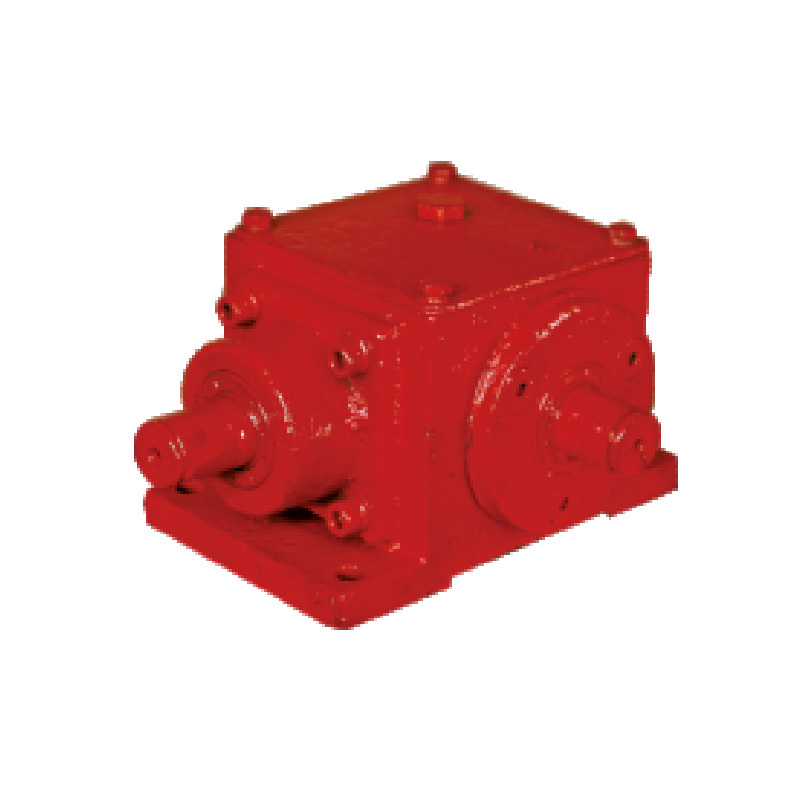
Understanding Gearboxes: The Heart of Industrial Motion
---
Gearboxes are critical components in various industrial applications, designed to transfer power and adjust the speed and torque of machinery. At their core, gearboxes consist of a series of gears that engage with each other to modify the rotational speed and force transmitted from one component to another. Whether in manufacturing, construction, or transportation, the choice of gearbox can si