Welcome to the official website of Renqiu Kaizheng Machinery Parts Factory

language
Understanding Sprocket Wheels for Agricultural Machinery: Essential Insights for Optimal Performance
2026-04-15
Sprocket wheels are integral components of agricultural machinery, playing a crucial role in the operation and efficiency of various farming equipment. They are designed to mesh with chains, allowing for the transmission of power and movement in machines such as tractors, harvesters, and tillers. Understanding the function and selection of sprocket wheels can significantly enhance the performance of agricultural machinery, leading to improved productivity on farms.
One of the primary functions of sprocket wheels is to convert rotational motion into linear force, facilitating the movement of machinery parts. When paired with chains, they ensure a smooth and reliable transfer of power from the engine to the working components of the machinery. This efficiency is vital in agricultural settings where time and reliability can significantly impact yield and productivity.
When selecting sprocket wheels for agricultural machinery, several factors must be considered. The size of the sprocket plays a critical role in determining the speed and torque delivered to the machinery. Larger sprockets can provide greater torque, which is essential for heavy-duty tasks like tilling or plowing. Conversely, smaller sprockets may increase the speed but reduce torque, which could be more suitable for lighter tasks. Thus, understanding the specific application requirements is key to making the right choice.
Material selection is another important aspect of sprocket wheel design. High-quality materials, such as carbon steel or alloy steel, can provide the durability needed for the demanding conditions faced in agricultural environments. These materials help reduce wear and tear, extending the lifespan of the sprocket wheels and the machinery as a whole. Additionally, some sprocket wheels may feature coatings or treatments to enhance their resistance to corrosion or abrasion, which is particularly beneficial in environments exposed to moisture and soil.
Maintenance is essential to ensure the longevity and performance of sprocket wheels in agricultural machinery. Regular inspection for wear, alignment issues, and lubrication can help prevent premature failure. Addressing any identified issues promptly can save farmers significant costs in repairs and downtime.
In summary, sprocket wheels are vital components in agricultural machinery that contribute to efficient operation and productivity. By understanding their functionality, carefully selecting the appropriate size and material, and committing to regular maintenance, farmers and machinery operators can optimize their equipment's performance. This not only leads to improved efficiency in farming operations but also enhances the overall productivity of agricultural activities.
One of the primary functions of sprocket wheels is to convert rotational motion into linear force, facilitating the movement of machinery parts. When paired with chains, they ensure a smooth and reliable transfer of power from the engine to the working components of the machinery. This efficiency is vital in agricultural settings where time and reliability can significantly impact yield and productivity.
When selecting sprocket wheels for agricultural machinery, several factors must be considered. The size of the sprocket plays a critical role in determining the speed and torque delivered to the machinery. Larger sprockets can provide greater torque, which is essential for heavy-duty tasks like tilling or plowing. Conversely, smaller sprockets may increase the speed but reduce torque, which could be more suitable for lighter tasks. Thus, understanding the specific application requirements is key to making the right choice.
Material selection is another important aspect of sprocket wheel design. High-quality materials, such as carbon steel or alloy steel, can provide the durability needed for the demanding conditions faced in agricultural environments. These materials help reduce wear and tear, extending the lifespan of the sprocket wheels and the machinery as a whole. Additionally, some sprocket wheels may feature coatings or treatments to enhance their resistance to corrosion or abrasion, which is particularly beneficial in environments exposed to moisture and soil.
Maintenance is essential to ensure the longevity and performance of sprocket wheels in agricultural machinery. Regular inspection for wear, alignment issues, and lubrication can help prevent premature failure. Addressing any identified issues promptly can save farmers significant costs in repairs and downtime.
In summary, sprocket wheels are vital components in agricultural machinery that contribute to efficient operation and productivity. By understanding their functionality, carefully selecting the appropriate size and material, and committing to regular maintenance, farmers and machinery operators can optimize their equipment's performance. This not only leads to improved efficiency in farming operations but also enhances the overall productivity of agricultural activities.
Recent News
Understanding Gearboxes: The Heart of Industrial Motion
---
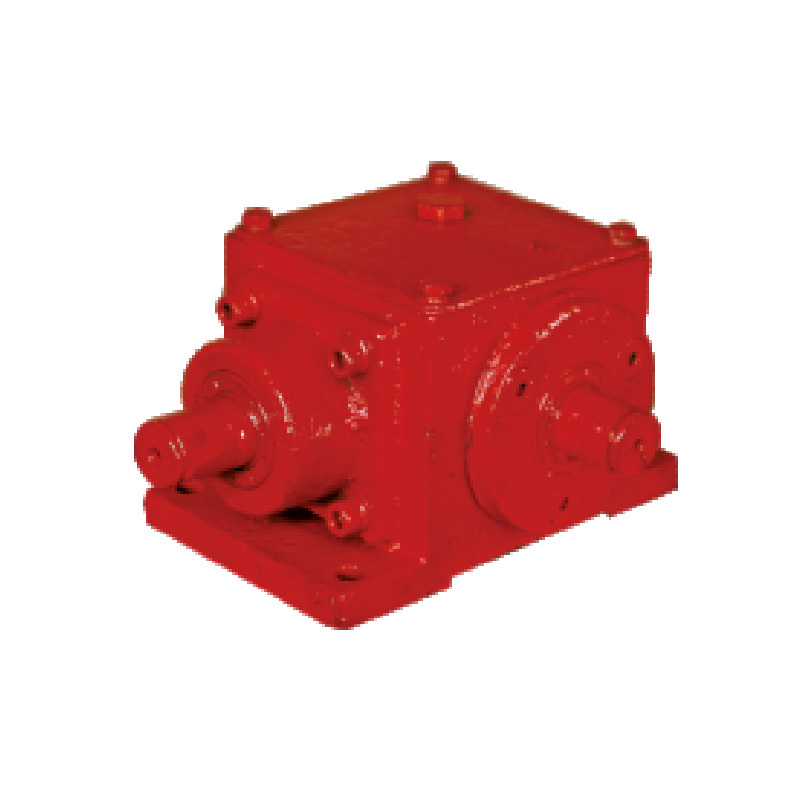
Gearboxes are critical components in various industrial applications, designed to transfer power and adjust the speed and torque of machinery. At their core, gearboxes consist of a series of gears that engage with each other to modify the rotational speed and force transmitted from one component to another. Whether in manufacturing, construction, or transportation, the choice of gearbox can si