Welcome to the official website of Renqiu Kaizheng Machinery Parts Factory

language
Understanding Gears: The Heart of Automotive Drivetrains
2026-05-13
Gears are fundamental components of the automotive transmission system, playing a crucial role in transferring power from the engine to the wheels. Their primary function is to modify torque and rotational speed to suit the operational needs of a vehicle. In essence, gears help to maximize performance while ensuring fuel efficiency and smooth operation.
There are several types of gears commonly used in automotive applications, including spur gears, helical gears, bevel gears, and worm gears. Each type has unique characteristics that make it suitable for specific applications within the drivetrain. Spur gears, for instance, are the simplest and most commonly used type, characterized by their straight teeth, which engage parallel to the gear axis. They are efficient in transmitting power but can produce more noise due to the nature of their design.
Helical gears, on the other hand, have angled teeth, which allows for smoother engagement and reduced noise during operation. These types of gears are often preferred in high-performance applications where noise reduction and smooth operation are paramount. Bevel gears are utilized when power needs to be transmitted between shafts at an angle, often seen in differential systems. Worm gears, known for their high torque output and compact design, are typically used in applications requiring a significant reduction in speed.
The materials used in gear manufacturing also play a significant role in their performance and longevity. Gears can be made from metals like steel and aluminum or advanced composite materials that offer a balance of strength and weight. The choice of material directly affects wear resistance, thermal stability, and overall durability, which are critical factors in the demanding environment of automotive applications.
Furthermore, proper gear design and maintenance are essential for ensuring efficiency and longevity. Misalignments and wear can lead to mechanical failures, reducing the reliability of the drivetrain. Regular inspections and timely replacements of worn gears can prevent costly repairs and downtime.
In conclusion, gears are vital components of automotive drivetrains that influence performance, efficiency, and reliability. Understanding the different types of gears, their functions, and the importance of material selection and maintenance can greatly enhance the operation of automotive systems. For professionals in the automotive industry, a deep knowledge of gears is not just beneficial; it is essential for ensuring optimal vehicle performance and longevity.
There are several types of gears commonly used in automotive applications, including spur gears, helical gears, bevel gears, and worm gears. Each type has unique characteristics that make it suitable for specific applications within the drivetrain. Spur gears, for instance, are the simplest and most commonly used type, characterized by their straight teeth, which engage parallel to the gear axis. They are efficient in transmitting power but can produce more noise due to the nature of their design.
Helical gears, on the other hand, have angled teeth, which allows for smoother engagement and reduced noise during operation. These types of gears are often preferred in high-performance applications where noise reduction and smooth operation are paramount. Bevel gears are utilized when power needs to be transmitted between shafts at an angle, often seen in differential systems. Worm gears, known for their high torque output and compact design, are typically used in applications requiring a significant reduction in speed.
The materials used in gear manufacturing also play a significant role in their performance and longevity. Gears can be made from metals like steel and aluminum or advanced composite materials that offer a balance of strength and weight. The choice of material directly affects wear resistance, thermal stability, and overall durability, which are critical factors in the demanding environment of automotive applications.
Furthermore, proper gear design and maintenance are essential for ensuring efficiency and longevity. Misalignments and wear can lead to mechanical failures, reducing the reliability of the drivetrain. Regular inspections and timely replacements of worn gears can prevent costly repairs and downtime.
In conclusion, gears are vital components of automotive drivetrains that influence performance, efficiency, and reliability. Understanding the different types of gears, their functions, and the importance of material selection and maintenance can greatly enhance the operation of automotive systems. For professionals in the automotive industry, a deep knowledge of gears is not just beneficial; it is essential for ensuring optimal vehicle performance and longevity.
Recent News
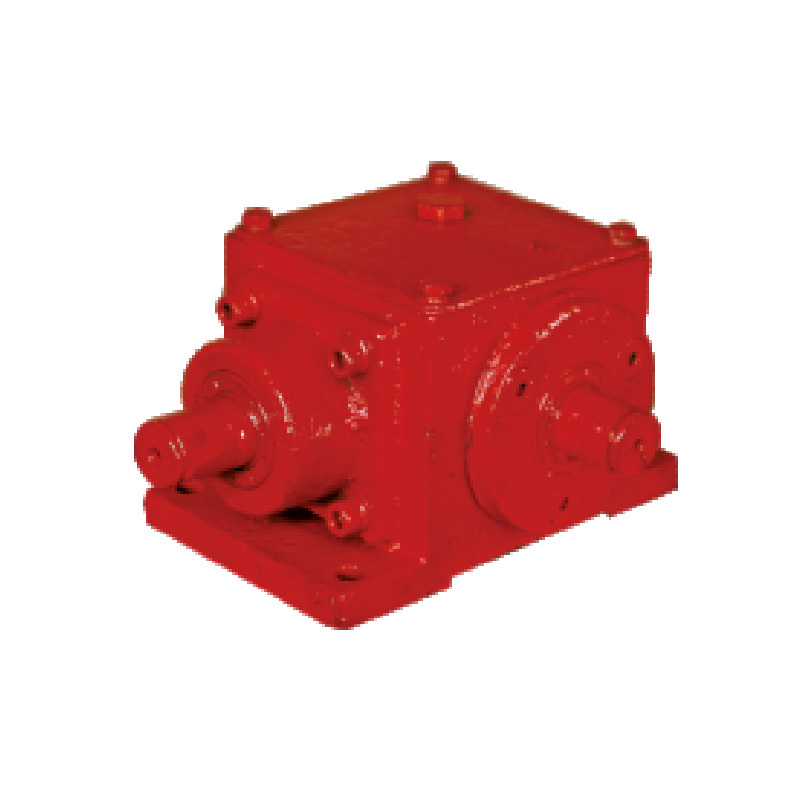
Understanding Gearboxes: The Heart of Industrial Motion
---
Gearboxes are critical components in various industrial applications, designed to transfer power and adjust the speed and torque of machinery. At their core, gearboxes consist of a series of gears that engage with each other to modify the rotational speed and force transmitted from one component to another. Whether in manufacturing, construction, or transportation, the choice of gearbox can si