Welcome to the official website of Renqiu Kaizheng Machinery Parts Factory

language
Understanding Agricultural Machinery Sprockets: Essential Components for Efficient Farming
2026-05-14
Agricultural machinery sprockets are integral components in various farming equipment, playing a vital role in the overall efficiency of agricultural operations. These specialized gear wheels are designed to work in conjunction with chains, transmitting power and motion effectively across machinery such as tractors, harvesters, and tillers. Understanding their significance can help farmers and equipment operators optimize their machinery for better performance and longevity.
One of the primary functions of agricultural machinery sprockets is to facilitate the transfer of energy from the engine to the wheels or other moving parts of the machine. The sprockets engage with roller chains, allowing for smooth and effective movement. This interaction not only enhances the operational capabilities of the machinery but also improves the overall productivity of farming tasks.
Sprockets come in various sizes and configurations, with each type designed for specific applications. For example, larger sprockets generally provide increased torque, making them suitable for heavy-duty tasks like plowing and tilling. Conversely, smaller sprockets are often used for lighter equipment, such as seed drills and fertilizer spreaders. When selecting the appropriate sprocket, it's essential to consider the specific requirements of the machinery and the tasks it will perform.
Material selection is another critical aspect of sprocket design. Sprockets are typically made from high-strength steel or other durable materials to withstand the harsh conditions of agricultural environments. Additionally, the manufacturing process often includes heat treatment to enhance the material's hardness and resistance to wear, ensuring that the sprockets maintain their functionality over time.
Regular maintenance of agricultural machinery sprockets is vital for preventing wear and tear, which can lead to machinery failure and costly downtime. Operators should routinely inspect sprockets for signs of damage or excessive wear and replace them as necessary. Proper lubrication of the chain and sprocket system is also essential to minimize friction, reduce wear, and prolong the life of both components.
In conclusion, agricultural machinery sprockets are essential for ensuring the efficiency and effectiveness of farming operations. By understanding their function, selecting the right type for specific applications, and adhering to maintenance best practices, farmers can enhance the performance of their equipment. This insight not only helps in maintaining machinery but also contributes to overall agricultural productivity, allowing operators to focus on what they do best—farming.
One of the primary functions of agricultural machinery sprockets is to facilitate the transfer of energy from the engine to the wheels or other moving parts of the machine. The sprockets engage with roller chains, allowing for smooth and effective movement. This interaction not only enhances the operational capabilities of the machinery but also improves the overall productivity of farming tasks.
Sprockets come in various sizes and configurations, with each type designed for specific applications. For example, larger sprockets generally provide increased torque, making them suitable for heavy-duty tasks like plowing and tilling. Conversely, smaller sprockets are often used for lighter equipment, such as seed drills and fertilizer spreaders. When selecting the appropriate sprocket, it's essential to consider the specific requirements of the machinery and the tasks it will perform.
Material selection is another critical aspect of sprocket design. Sprockets are typically made from high-strength steel or other durable materials to withstand the harsh conditions of agricultural environments. Additionally, the manufacturing process often includes heat treatment to enhance the material's hardness and resistance to wear, ensuring that the sprockets maintain their functionality over time.
Regular maintenance of agricultural machinery sprockets is vital for preventing wear and tear, which can lead to machinery failure and costly downtime. Operators should routinely inspect sprockets for signs of damage or excessive wear and replace them as necessary. Proper lubrication of the chain and sprocket system is also essential to minimize friction, reduce wear, and prolong the life of both components.
In conclusion, agricultural machinery sprockets are essential for ensuring the efficiency and effectiveness of farming operations. By understanding their function, selecting the right type for specific applications, and adhering to maintenance best practices, farmers can enhance the performance of their equipment. This insight not only helps in maintaining machinery but also contributes to overall agricultural productivity, allowing operators to focus on what they do best—farming.
Previous:
Recent News
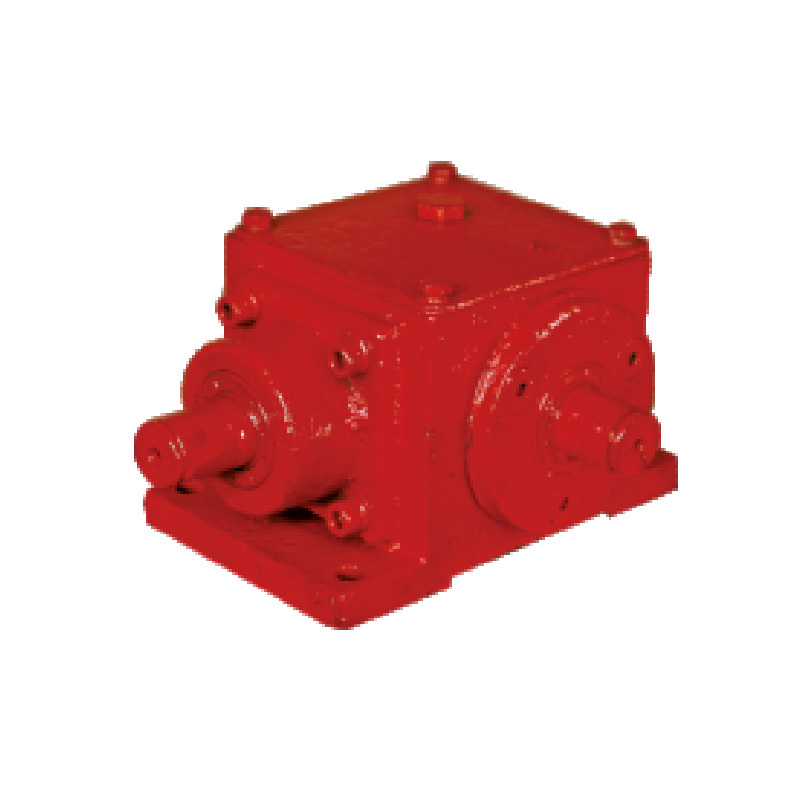
Understanding Gearboxes: The Heart of Industrial Motion
---
Gearboxes are critical components in various industrial applications, designed to transfer power and adjust the speed and torque of machinery. At their core, gearboxes consist of a series of gears that engage with each other to modify the rotational speed and force transmitted from one component to another. Whether in manufacturing, construction, or transportation, the choice of gearbox can si