Welcome to the official website of Renqiu Kaizheng Machinery Parts Factory

language
Unlocking Efficiency: The Role of Agricultural Drive Gearboxes in Modern Farming
2026-03-27
Unlocking Efficiency: The Role of Agricultural Drive Gearboxes in Modern Farming
Table of Contents
- 1. Introduction to Agricultural Drive Gearboxes
- 2. Importance of Gearboxes in Agriculture
- 3. Types of Agricultural Drive Gearboxes
- 4. Working Principle of Agricultural Drive Gearboxes
- 5. Benefits of Utilizing Agricultural Drive Gearboxes
- 6. Technological Advancements in Gearbox Design
- 7. Maintenance Tips for Agricultural Gearboxes
- 8. The Future of Agricultural Drive Gearboxes
- 9. Conclusion
- 10. Frequently Asked Questions (FAQs)
1. Introduction to Agricultural Drive Gearboxes
Agricultural drive gearboxes are integral components in modern farming machinery, serving as the backbone of mechanization. These devices are designed to transfer power from the engine to various parts of agricultural equipment such as tractors, harvesters, and tillers. As the agricultural sector continues to evolve, the demand for **efficient and reliable gearboxes** has increased significantly. This article delves into the importance, types, benefits, and future of agricultural drive gearboxes, offering a comprehensive understanding of their role in modern agriculture.
2. Importance of Gearboxes in Agriculture
Gearboxes play a crucial role in enhancing the performance of agricultural equipment. They ensure that the machinery operates at optimal speeds and torque, directly influencing productivity and efficiency. Here are several reasons why they are indispensable in farming:
2.1 Enhanced Power Transmission
Agricultural machinery often requires significant power to operate efficiently. Gearboxes facilitate the smooth transmission of this power, reducing the load on the engine and enhancing fuel efficiency. This power transmission is vital for tasks such as plowing, planting, and harvesting.
2.2 Improved Speed Control
The ability to control the speed of machinery is essential in agriculture. Drive gearboxes allow operators to adjust the speed of various attachments, such as seeders and mowers, ensuring precise operations tailored to specific tasks.
2.3 Torque Multiplication
Gearboxes can multiply torque, providing the necessary force to handle heavy loads. This is particularly beneficial during tilling and when operating heavy equipment, allowing for more effective soil penetration and crop management.
3. Types of Agricultural Drive Gearboxes
Understanding the different types of agricultural drive gearboxes available can help farmers choose the right equipment for their needs. Here are the most common types:
3.1 Planetary Gearboxes
Planetary gearboxes are renowned for their compact design and high torque output. They consist of a sun gear, planet gears, and a ring gear, allowing them to distribute loads evenly. These gearboxes are ideal for applications requiring high efficiency and reduced weight.
3.2 Spiral Bevel Gearboxes
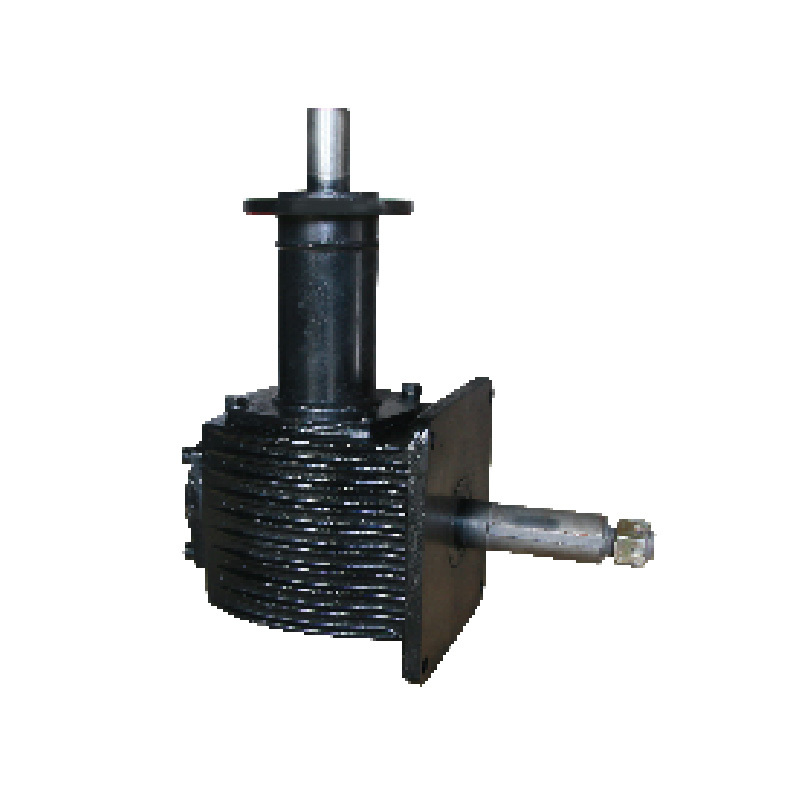
Spiral bevel gearboxes are designed to change the direction of power transmission, making them suitable for applications where space is limited. They offer smooth operation and are often used in rotary applications like tillers and harrows.
3.3 Worm Gearboxes
Worm gearboxes provide high torque at low speeds. Their design allows for significant speed reduction, making them ideal for applications where slow, controlled movement is necessary, such as seed drills and irrigation systems.
3.4 Helical Gearboxes
Helical gearboxes are known for their durability and efficiency. They are often used in applications requiring high-speed operation and smooth torque transmission, making them suitable for various farming equipment.
4. Working Principle of Agricultural Drive Gearboxes
The working principle of agricultural drive gearboxes revolves around the conversion of motor speed into usable torque. When the engine power is transmitted to the gearbox, it engages a series of gears that either increase or decrease the speed and torque output based on the requirements of the agricultural machinery.
4.1 Gear Interaction
The gears within the gearbox interlock and rotate, transferring motion effectively. This interaction allows for the multiplication of torque or the adjustment of speed, depending on the gear configuration used.
4.2 Lubrication and Heat Management
Proper lubrication is vital for the smooth operation of gearboxes. It reduces friction between the gears, minimizing wear and tear while also helping to manage heat generated during operation. This enhances the overall lifespan of the gearbox and the machinery it powers.
5. Benefits of Utilizing Agricultural Drive Gearboxes
The advantages of incorporating agricultural drive gearboxes into farming operations are numerous:
5.1 Increased Efficiency
By optimizing power transfer and allowing for precise speed control, drive gearboxes significantly increase the overall efficiency of agricultural equipment. This results in reduced fuel consumption and lower operational costs.
5.2 Enhanced Performance
Gearboxes improve the performance of machinery by enabling it to handle a wider variety of tasks. This versatility allows farmers to use a single piece of equipment for multiple applications, streamlining agricultural processes.
5.3 Durability and Reliability
Agricultural drive gearboxes are engineered to withstand harsh environments and heavy loads. Their robust construction ensures long-lasting performance, reducing the need for frequent repairs and replacements.
5.4 Lower Maintenance Costs
With proper maintenance, gearboxes can operate efficiently for extended periods. This reliability leads to lower overall maintenance costs and less downtime, which is critical in modern farming where time is of the essence.
6. Technological Advancements in Gearbox Design
The agricultural industry is continually evolving, and so are the technologies surrounding drive gearboxes. Recent advancements have focused on improving efficiency, reducing size, and enhancing performance.
6.1 Smart Gearbox Technology
The integration of IoT (Internet of Things) technology into gearboxes allows for real-time monitoring of performance parameters. Farmers can track efficiency, detect anomalies, and schedule maintenance proactively, reducing downtime and improving overall productivity.
6.2 Lightweight Materials
The adoption of advanced materials, such as composite and high-strength metals, has led to lighter gearboxes without sacrificing strength. This reduction in weight contributes to improved fuel efficiency and easier handling of machinery.
6.3 Enhanced Efficiency through Design Innovations
Modern gear designs focus on minimizing energy losses through more efficient gear profiles and optimized lubrication systems. These innovations enhance the overall efficiency of agricultural machinery, allowing for more sustainable farming practices.
7. Maintenance Tips for Agricultural Gearboxes
Proper maintenance of agricultural drive gearboxes is essential for ensuring their longevity and performance. Here are some best practices:
7.1 Regular Inspections
Conduct routine inspections to identify any signs of wear or damage. Look for leaks, unusual noises, or vibrations that might indicate issues.
7.2 Lubrication
Ensure that the gearbox is adequately lubricated based on the manufacturer's recommendations. Regularly check the oil levels and replace the lubricant as needed to prevent overheating and excessive wear.
7.3 Monitoring Temperature
Keep an eye on the operating temperature of the gearbox. Excessive heat can indicate a problem, and addressing it promptly can prevent costly repairs.
7.4 Professional Servicing
Engage professional services for in-depth maintenance and repairs. Experts can diagnose issues that may not be apparent during routine inspections and ensure the gearbox operates optimally.
8. The Future of Agricultural Drive Gearboxes
As the agricultural industry continues to innovate, the future of agricultural drive gearboxes looks promising. The trend towards automation and precision agriculture is driving the development of advanced gearbox technologies that enhance efficiency and adaptability.
8.1 Automation Integration
With the rise of automated farming equipment, gearboxes that can seamlessly integrate with autonomous systems will become increasingly important. This will allow for higher levels of efficiency and reduced labor costs.
8.2 Sustainability Focus
The push for sustainable farming practices will influence gearbox design, prioritizing energy efficiency and the use of eco-friendly materials. This focus will aid farmers in reducing their carbon footprint while maintaining productivity.
8.3 Continued Research and Development
Ongoing research will lead to the development of smarter, more efficient gearboxes. Innovations in design, materials, and technology will contribute to a new generation of agricultural equipment that meets the evolving needs of the industry.
9. Conclusion
Agricultural drive gearboxes are vital components that significantly enhance the efficiency and performance of modern farming equipment. By optimizing power transmission, improving speed control, and multiplying torque, these gearboxes play a crucial role in increasing productivity while reducing operational costs. As technology continues to advance, the agricultural industry is poised for transformative changes that will further improve the functionality and reliability of drive gearboxes. Understanding their importance and maintaining them properly can lead to more effective and sustainable farming practices.
10. Frequently Asked Questions (FAQs)
What is an agricultural drive gearbox?
An agricultural drive gearbox is a mechanical device used in farming machinery to transmit power from the engine to various equipment. It helps control speed and torque, enhancing the efficiency and performance of agricultural operations.
What are the different types of agricultural gearboxes?
The most common types of agricultural gearboxes include planetary, spiral bevel, worm, and helical gearboxes, each serving specific applications and needs within the farming sector.
How do I maintain my agricultural gearbox?
Regular inspections, adequate lubrication, monitoring operating temperature, and seeking professional servicing are key practices for maintaining agricultural gearboxes.
What are the benefits of using drive gearboxes in farming?
The use of drive gearboxes in farming enhances efficiency, improves performance, increases durability, and lowers maintenance costs, leading to more productive agricultural operations.
What is the future of agricultural drive gearboxes?
The future of agricultural drive gearboxes lies in automation, sustainability, and continuous research and development, all aimed at improving efficiency and adaptability in farming practices.
Recent News
Understanding Gearboxes: The Heart of Industrial Motion
---
Gearboxes are critical components in various industrial applications, designed to transfer power and adjust the speed and torque of machinery. At their core, gearboxes consist of a series of gears that engage with each other to modify the rotational speed and force transmitted from one component to another. Whether in manufacturing, construction, or transportation, the choice of gearbox can si